
New speakers announced for Conference 2026
 Thu, 19 Mar 2026
Estimated reading times: 2 minutes
Thu, 19 Mar 2026
Estimated reading times: 2 minutes

Experts on just energy transitions, philanthropy in high‑tax social democracies, social investment in Asia, and centring Indigenous knowledge in funding practices are among new international and national speakers added to the Philanthropy Australia Conference 2026 program.
Each speaker brings a unique perspective on the leadership and collaboration needed for philanthropy to act with courage, creativity and collective purpose. Together, they shine a light on the big questions shaping the future of philanthropy and the shifts our sector is being called to make.
Global perspectives and systems shifts
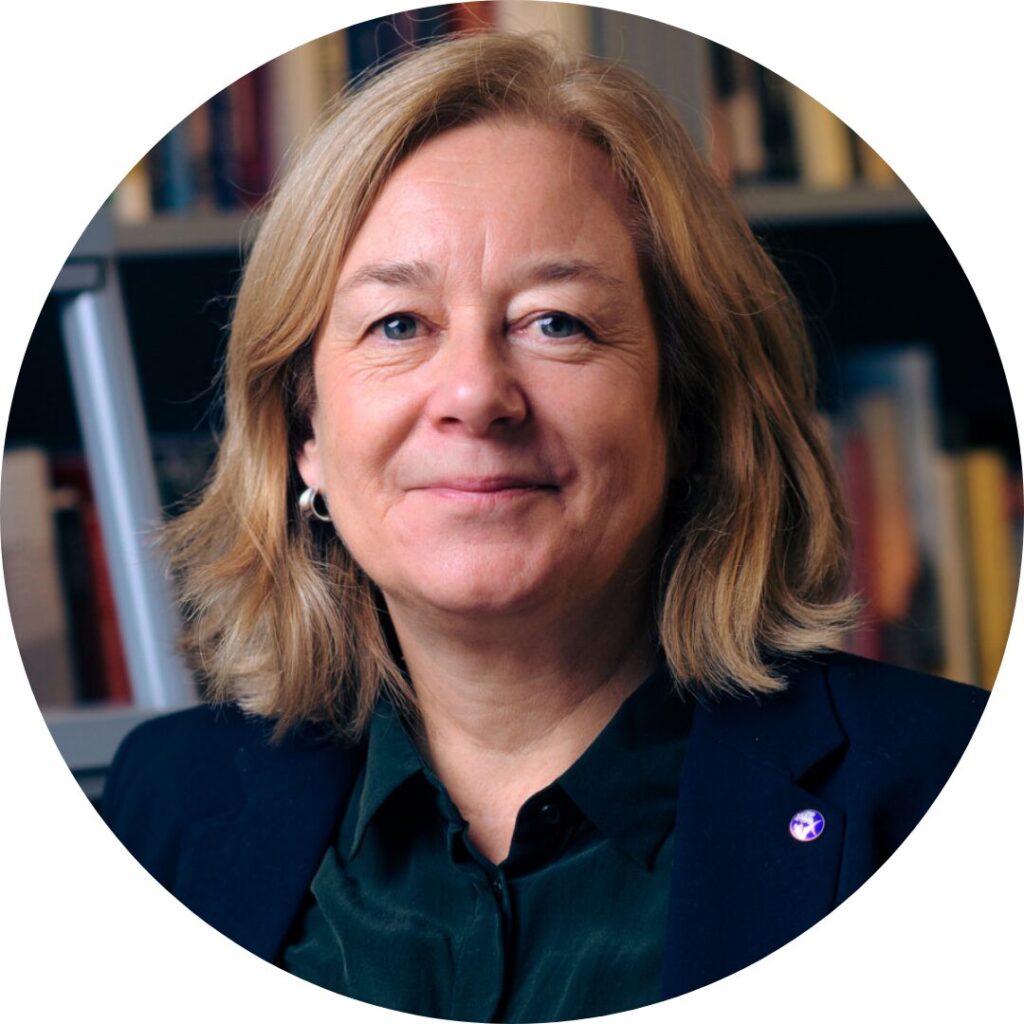
Marika Hedin is CEO of Riksbankens Jubileumsfond, an independent foundation based in Sweden with the goal of promoting and supporting research in the humanities and social sciences. Having served the cause of science in the worlds of museums, the Nobel institutions, universities, and research funding, Marika will provoke important questions about philanthropy in high‑tax social democracies, and how it complements and challenges governments in countries where the social contract is robust.
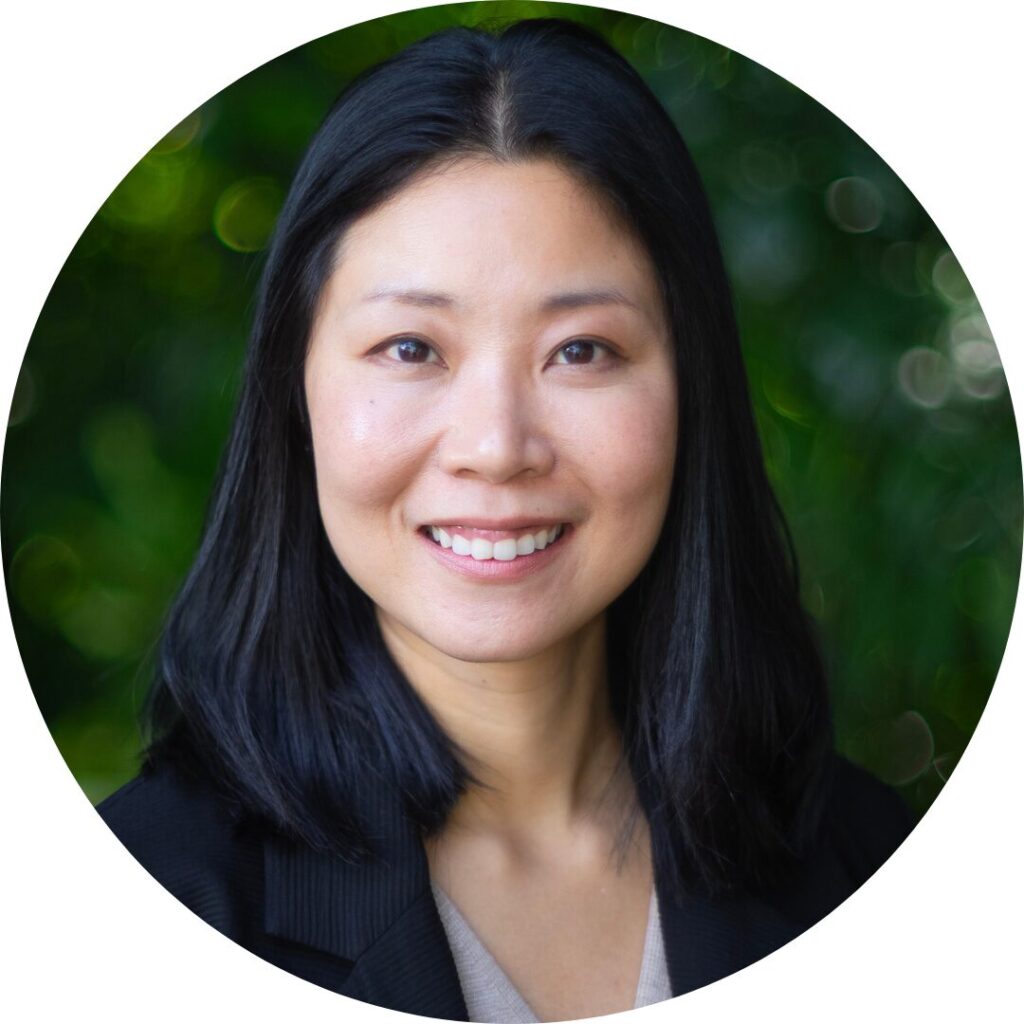
Jamie Choi, CEO of the Singapore-based Tara Climate Foundation, brings her experience supporting more than 400 partners across twelve Asian geographies to accelerate a just energy transition. Her insights will illuminate the scale of philanthropic growth now underway across Asia and what Australia can learn from this fast‑maturing ecosystem of funders, advocates and innovators.
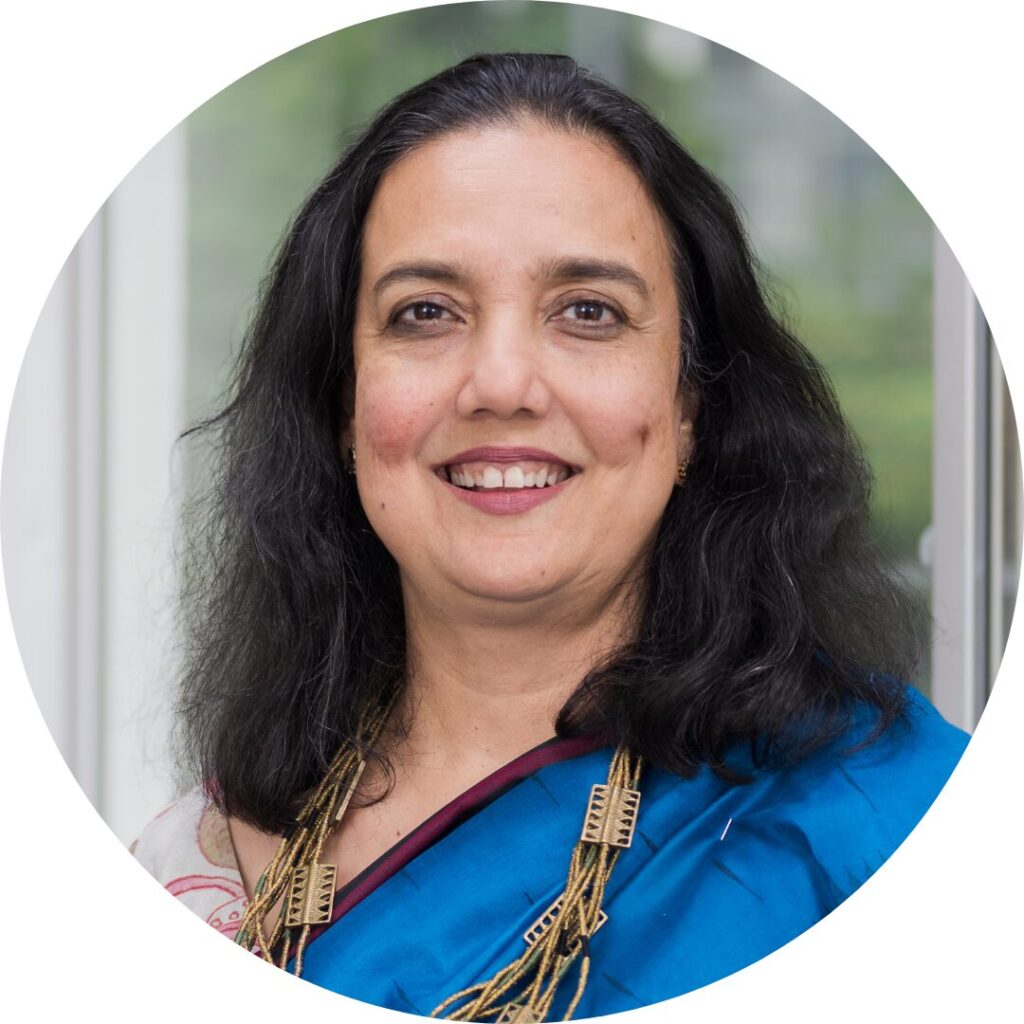
Naina Subberwal Batra is the CEO of the Asian Venture Philanthropy Network (AVPN). As Asia becomes one of the most dynamic philanthropic and social investment regions in the world, Naina will help us understand how collaboration, capital mobilisation and sector infrastructure are driving impact at scale. Her reflections will help Australian funders think more globally about the role we play in a changing region.
Social enterprise, innovation and the future of impact
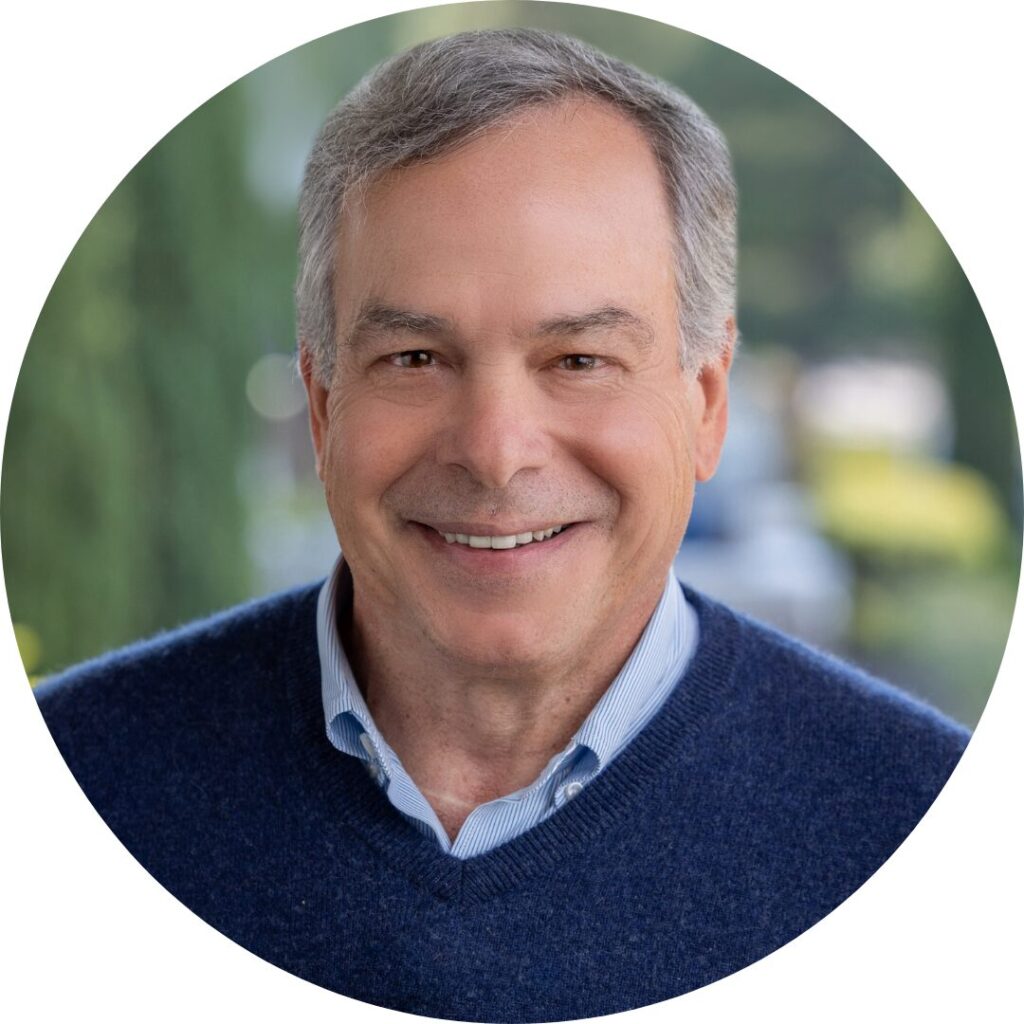
Jim Bildner, CEO of the US-based Draper Richards Kaplan Foundation, and lecturer at the Harvard Kennedy School, brings decades of experience in venture philanthropy and social enterprise. Jim will explore how private capital, entrepreneurial models and rigorous support can accelerate solutions to entrenched social and environmental challenges. His insights will deepen conversations about how philanthropy can take smart risks and help scale what works.
Indigenous leadership, self‑determination and power‑shifting
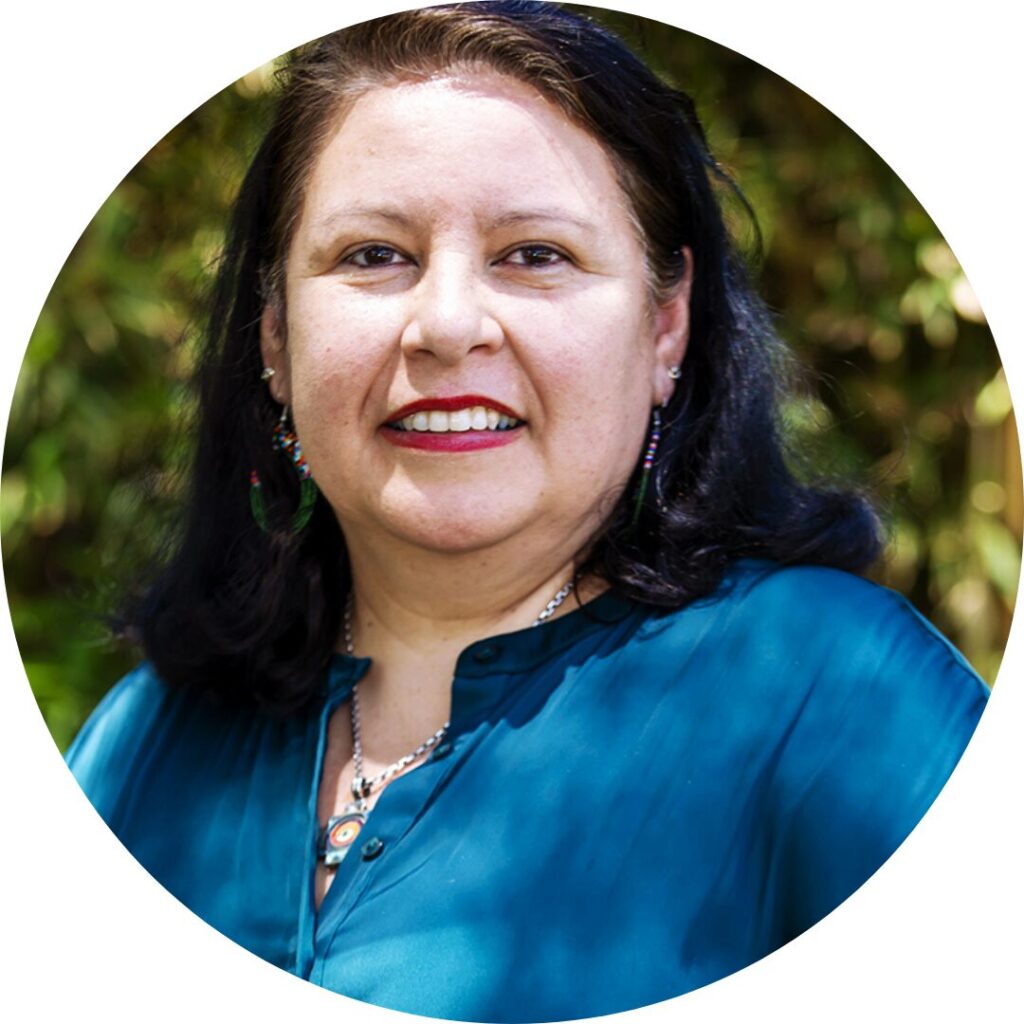
Lourdes Inga, Executive Director of International Funders for Indigenous Peoples (IFIP), will share lessons from international networks shifting funding practices to centre Indigenous knowledge and authority. Lourdes will help Australian funders reflect on how philanthropy can meaningfully support Indigenous self‑determination and justice in ways that align with global movements.
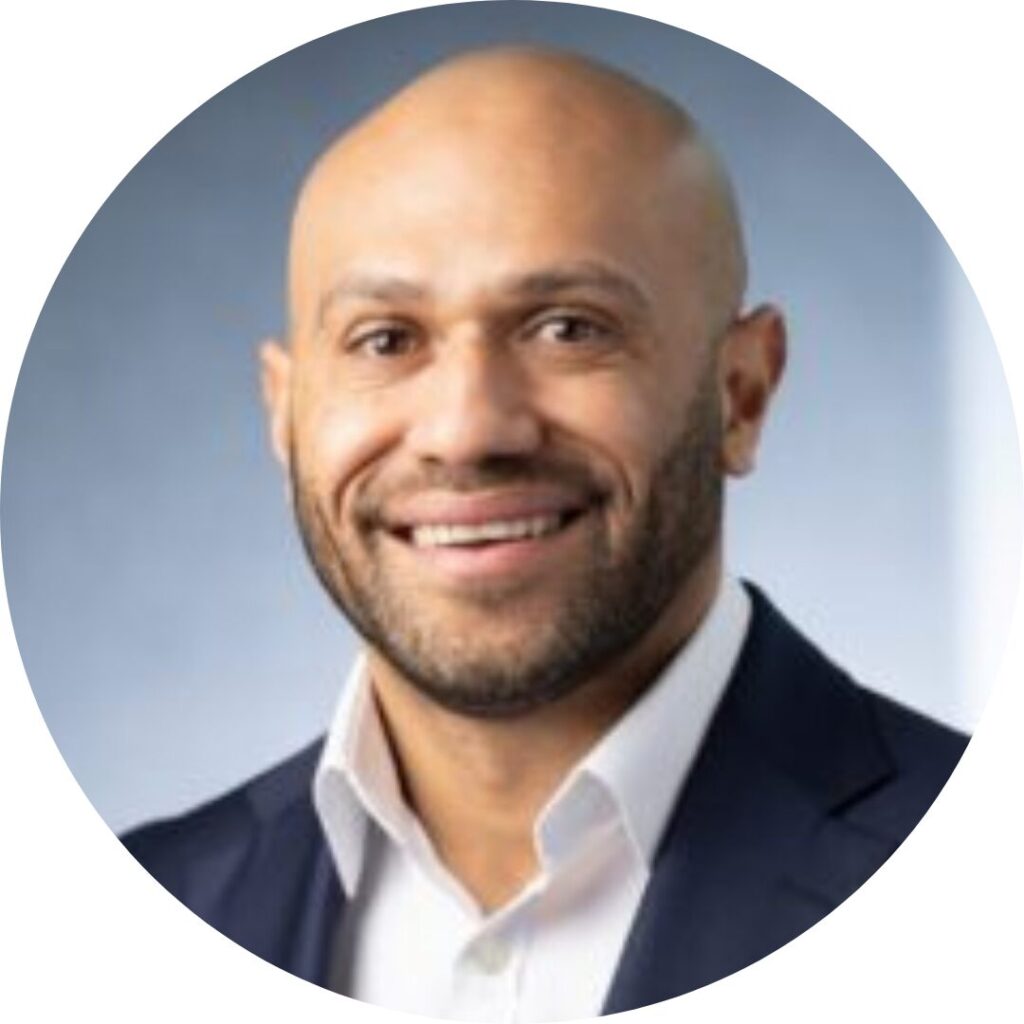
Brian Wyborn brings a powerful Australian perspective on economic self‑determination, wealth building and long‑term community leadership. His work shows what is possible when philanthropy supports models grounded in culture, accountability and intergenerational thinking.
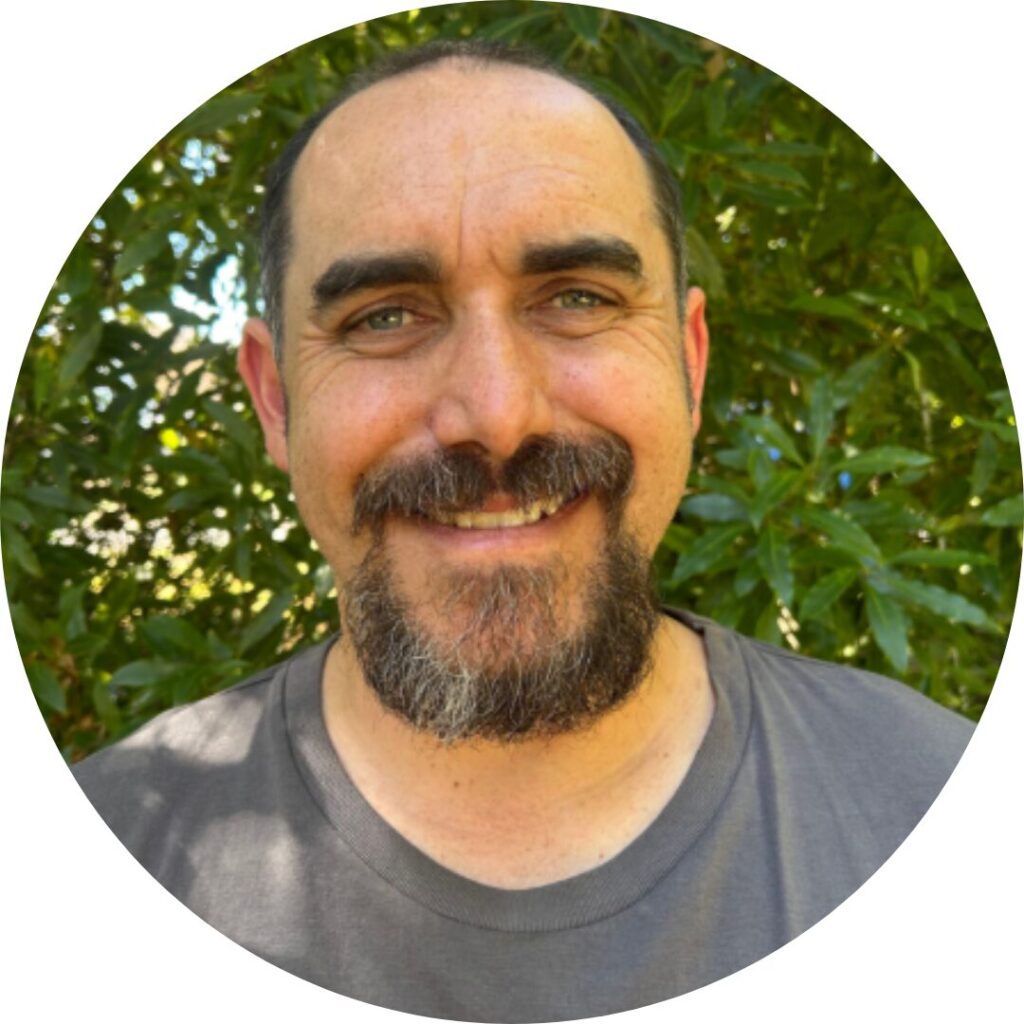
Rueben Berg, a proud Gunditjmara man and Co-Chair of the First Peoples Assembly of Victoria will speak about his experience leading and negotiating Australia’s first statewide Treaty and the significance of this historic legislation. He will reflect on what this moment means for communities, for government and for the broader systems we all shape, and explore the role philanthropy has, and could play, in supporting treaty processes, self-determination and long-term systemic change.
Democracy, Social Cohesion and Narrative Change
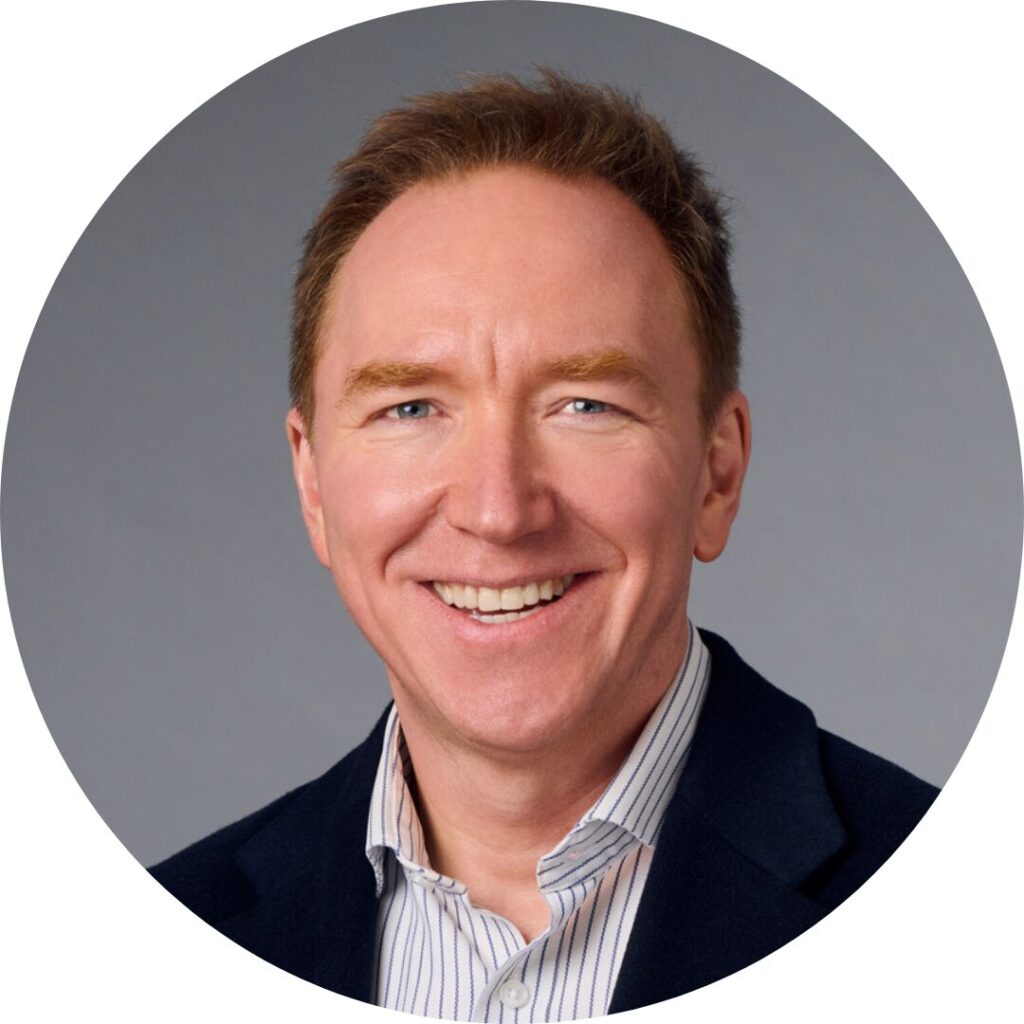
Tim Dixon is co‑founder of More in Common, a US-based nonprofit that uses research and partnerships to bring Americans together across differences and engage meaningfully in civil and cultural life. Tim will explore rebuilding social fabric, bridging ideological divides and restoring trust. His work across multiple countries shows how shared narratives and community‑centred approaches can help address complex problems and reinforce democratic resilience. Tim will speak directly to one of the most challenging issues of our time: how we mobilise generosity not only through funding, but by strengthening the relationships, identities and shared purpose that hold societies together.
Explore the full speaker lineup.
Remember, there are still opportunities for you to help shape the 2026 program. EOIs to host a Masterclass or a Breakout Session are open until midnight, Sunday 22 March. Find out more here.
Strategic priority
Advocate, Amplify, Convene, Influence


