
The great wealth transfer is a chance for women to fund justice, not charity
 By Brenda Gaddi and Cat Fay
 Thu, 19 Mar 2026
Estimated reading times: 3 minutes
Thu, 19 Mar 2026
Estimated reading times: 3 minutes

Over the next two decades, an estimated $68 trillion will pass from Baby Boomers to younger generations. Women will inherit and control the majority of this wealth — a shift with the potential to transform philanthropy.
But this opportunity comes with responsibility. If women replicate the philanthropic patterns that have contributed to today’s inequities, we risk entrenching the very systems that have failed marginalised communities. The choice is stark: embrace intersectional approaches that centre the most excluded, or perpetuate practices that have left First Nations peoples, Women of Colour, LGBTIQ+ communities, chronically underfunded, overlooked and left behind.
The reality is this wealth transfer will not benefit all women equally. Women already closer to existing wealth will be its main beneficiaries, while Black, Indigenous and other Women of Colour will remain largely downstream.
Meanwhile, the distribution of philanthropy is deeply uneven. In Australia, seven out of ten LGBTIQ+ organisations say they receive no funds from philanthropy, while just 0.3% of total recorded philanthropic funding supports LGBTIQ+ causes (Rainbow Giving Australia, 2022). Globally, less than 2% of charitable funds reach organisations dedicated to women and girls (WPI, 2024) despite comprising over half the population.
And the inequity is sharper still when we look at race. Racially marginalised communities receive less than 0.5% of the $13 billion distributed annually through Australian philanthropic funds. Most of that goes to First Nations communities — as it should, given the historic and ongoing injustices of colonisation. Yet racial discrimination costs the Australian economy an estimated $37.9 billion a year, which is about 3% of GDP (Elias & Paradies, 2016). This is not simply a funding gap. It is a chasm of structural inequity.
Simultaneous inequality
Inequality does not operate on a single axis. People can experience privilege and oppression simultaneously depending on their race, gender, class, sexuality, disability and more. Black feminist scholar Kimberlé Crenshaw called this intersectionality.
It means remembering to ask: who is being left out, excluded, or erased? It requires moving beyond a default “women” category that too often centres Whiteness. Without this deliberate focus, even progressive philanthropy risks reinforcing invisibility.
Models to learn from
Two women who have shown what’s possible when individual wealth is used to redistribute power are US philanthropist MacKenzie Scott and Australia’s Julie Kantor AO.
MacKenzie has given $19 billion in unrestricted grants to more than 2,000 organisations, many led by and serving marginalised communities. With no reporting requirements or burdensome processes, recipients report stronger financial positions and greater ability to plan for the long term. Closer to home, Julie Kantor AO exemplifies partnership through the Annamila First Nations Foundation, co-chaired with Belinda Duarte AM, a Wotjobaluk and Dja Dja Wurrung woman. This model centres First Nations decision-making and long-term systemic change.
As Kantor reflects: “Once women make their mind up, the ‘how’ is often about dispersing power and trusting other people to make the change happen rather than it being about them as the transformational agent.”

The Lankelly Chase foundation in the UK is an example of an institution transforming itself to redistribute power. In a move it calls “dissolving separations,” the foundation is relinquishing control of its endowment and assets, directing resources toward life-affirming social justice work. As they put it: “Instead of money being controlled by gatekeepers, what if it was allowed to flow where it was needed — shared rather than granted?”
The choice before us
In 2019, the Australian Centre for Social Innovation (TACSI) published Philanthropy, Systems and Change, reflecting on why funders must look inward, the report found traditional philanthropy — short-term, project-specific, board-driven — often sustains existing systems rather than transforming them. Real change requires funders to reflect on themselves: whose voices are prioritised on boards, how wealth was accumulated, whether restrictions and reporting requirements entrench unequal power?
The future of philanthropy rests in women’s hands. How we choose to use this power will determine whether the next generation inherits a more just world — or simply better-funded inequality.
Practical steps to inform justice, not charity
- Learn with intention: Engage with analysis of simultaneous inequality, read Indigenous feminist scholars, and build relationships with community leaders
- Diversify decision-making: Put lived and living experiences at the table where funding decisions are made.
- Trust communities: Offer multi-year, unrestricted funding that gives organisations freedom to plan
- Measure differently: Value systemic and community impact, not just narrow outcomes.
- Commit long term: Build enduring partnerships, not transactional grants
About the authors

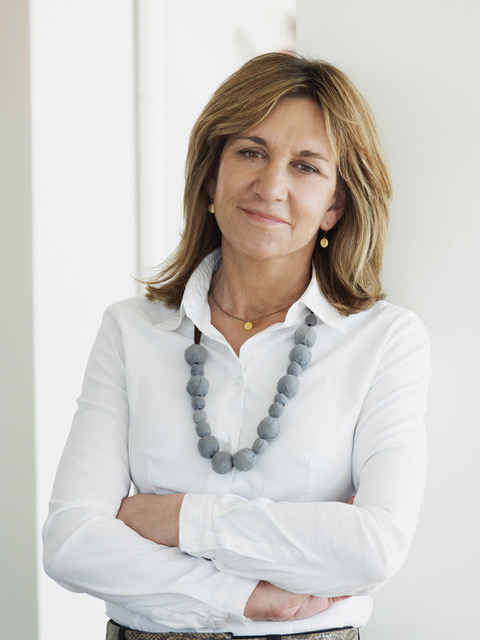
Brenda Gaddi is the Founder and Executive Director of Women of Colour Australia (WoCA), the only national not-for-profit organisation led by and for Women of Colour. She established WoCA in 2020 to advance equity through leadership programs, advocacy, and research. In August 2025, WoCA launched WoCImpact1000, a 10-year philanthropic initiative to mobilise Women of Colour to collectively resource systemic change through trust-based giving, which Brenda continues to lead.
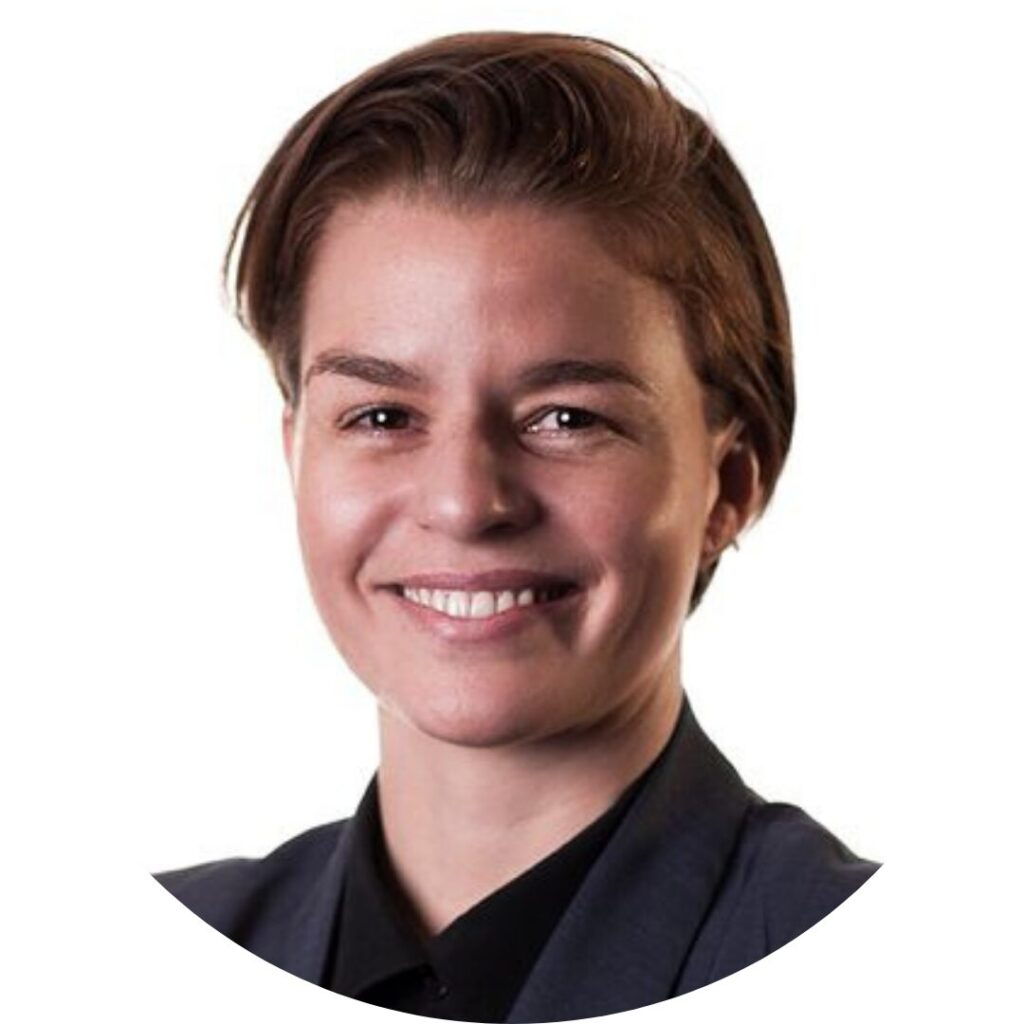
Cat Fay is Managing Partner, Community, Social and ESG Investment at Perpetual. She leads one of Australia’s largest philanthropic management teams, shaping how thousands of philanthropists and charitable trusts direct their giving. Cat has been a long-time advocate for trust-based and systemic approaches to philanthropy, an LGBTQ+ funding advocate, and brings deep expertise in how institutions can shift practice to address entrenched inequities.
Main image: 2025 Women of Colour leader graduates.
Strategic priority
Advocate, Amplify, Convene, Influence
Subject
Systems change, Women and girls, Women's giving


