
Why philanthropy matters to Western Australia’s economy
 By Maree Sidey, CEO, Philanthropy Australia
 Thu, 2 Apr 2026
Estimated reading times: 3 minutes
Thu, 2 Apr 2026
Estimated reading times: 3 minutes
Western Australia is rightly known for its economic strength. The resources sector, industrial capability and export strength underpin national prosperity. Yet beneath these headline drivers sits philanthropy, a quieter, less discussed contributor to WA’s economic resilience.
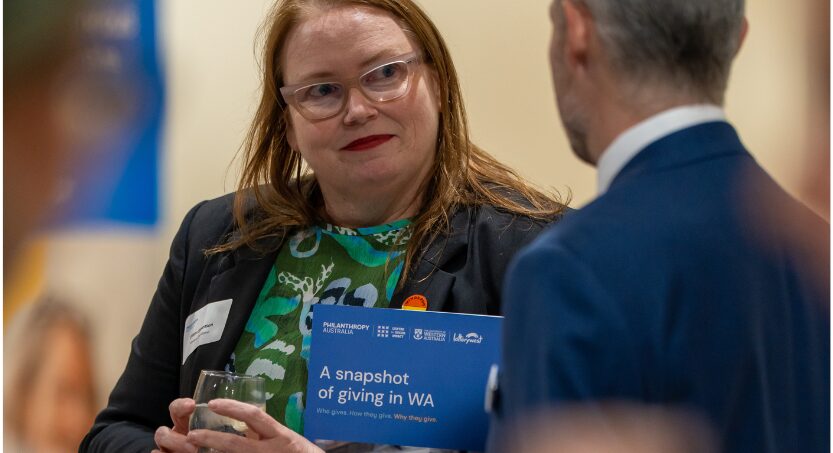
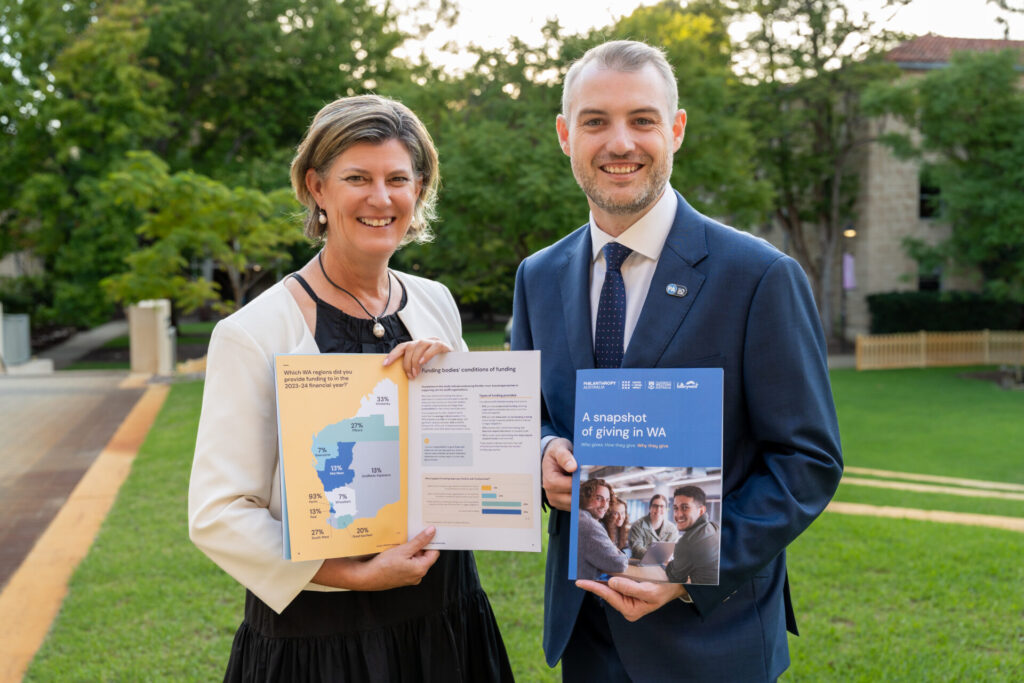
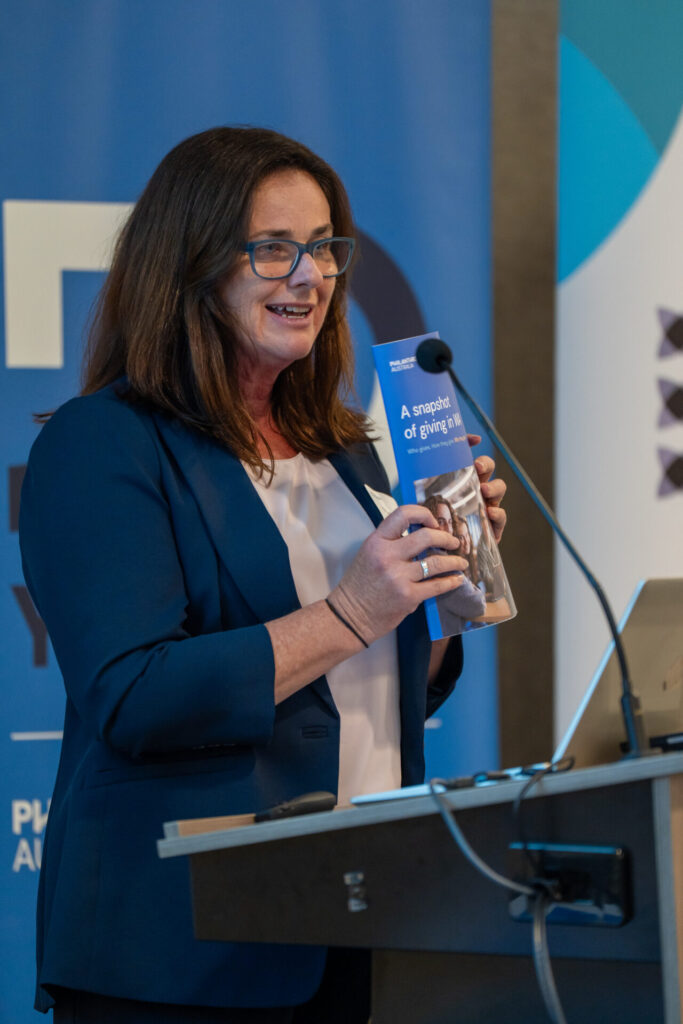
This week, Philanthropy Australia, in partnership with the Centre for Social Impact at the University of Western Australia, released the Western Australia Snapshot of Giving Study — the first detailed research of its kind to examine how philanthropy operates across the state. The findings tell us who gives, why they give and what role philanthropy plays in shaping WA’s future.
Western Australians who give are not disengaged or casual donors. Nearly all individual respondents donated in the past financial year, and more than 80 per cent also volunteered.
They are actively investing time and money into the state’s social infrastructure, and this commitment has not wavered in the face of economic pressure. Nearly 60 per cent of individual donors expect to increase their giving in the next financial year, with almost all others planning to maintain current levels.
From a business perspective, this matters. Philanthropic capital often flows where government and markets cannot move quickly or at scale. It supports prevention and early intervention, pilots innovation and bridges gaps that would otherwise reduce participation or increase future public costs.
The research also highlights how locally focused this investment is. More than 90 per cent of individual donors direct their giving within Western Australia, making this giving a form of patient capital embedded in the WA economy.
Giving in WA is also relational. Donors respond most strongly to trusted networks, peer leadership and clear evidence of impact. Cold appeals are largely ineffective. Relationships, not transactions, drive capital flows.
Despite these positives, the research identifies structural weaknesses that, if left unaddressed, could limit the social return on that investment.
One of the most significant is low awareness of how to give substantial amounts of money using established legal structures. Around half of donors, including many already giving large amounts, have little or no understanding of vehicles such as charitable trusts, community foundations or giving funds (public or private ancillary funds).
For professional advisers, including accountants, lawyers and wealth managers, this represents a material gap in client service. Structured giving is not about complexity or tax optimisation alone. It is about helping clients align wealth with purpose and manage intergenerational decision making in a disciplined way, and makes giving more strategic, collaborative and scalable.
Another finding relates to how philanthropic capital is deployed. Not-for-profit organisations consistently report that grants often do not cover indirect costs of delivering programs, such as operational and HR systems, governance, and workforce capability. This can lead to high staff turnover, in turn reducing the impact of these organisations’ work and increasing long-term demand on both public and private funders.
While many WA foundations are moving towards flexible funding, which gives not-for-profits more scope to build efficient and attractive workplaces, the picture remains uneven. Some organisations benefit from sustained, unrestricted support. Others operate with almost no flexibility at all.
From an economic standpoint, this undermines return on investment. Funding outputs rather than outcomes, or programs rather than capability, weakens the very organisations relied upon to deliver social value.
So, what is the implication for Western Australia?
The data, which has been reported in detail in this week’s Giving News, shows a state with both the capacity and the intent to give. What is required now is greater capability across the ecosystem. Better education about giving options. More funding practices that Pay What it Takes. Stronger collaboration between business, philanthropy and not-for-profits; all actions that are prioritised in Philanthropy Australia’s Strategy 2033.
Philanthropy at its best absorbs risk, supports innovation and invests where returns are measured not just in dollars, but in participation, stability and opportunity. Western Australia already understands long-term investment. The opportunity is for giving to reflect the same.
Strategic priority
Advocate, Amplify, Convene, Influence


