
Five principles for employee engagement in giving: Corporate Giving Network
 By Mary Chackola
 Thu, 30 Apr 2026
Estimated reading times: 2 minutes
Thu, 30 Apr 2026
Estimated reading times: 2 minutes

Employee engagement is increasingly recognised as a cornerstone of effective corporate social impact. Across organisations, there is a growing understanding that engagement must be intentional, flexible and grounded in organisational culture to create meaningful and sustainable outcomes.
Knowledge sharing at the most recent Philanthropy Australia Corporate Peer Network reinforced that while approaches vary, the most effective programs share a clear set of underlying principles.
- Aligning engagement initiatives with organisational culture.
Programs are most effective when they reflect the values, structure and workforce composition of the organisation, rather than relying on generic models. Thoughtful design helps ensure initiatives feel authentic and relevant, creating stronger connections between employees and social impact efforts.
- Offer multiple ways for employees to engage.
Not everyone will want to participate at the same level or in the same way. Successful programs create varied entry points, ranging from hands-on volunteering and fundraising to lighter touch opportunities that allow employees to stay informed and feel connected to impact. This flexibility supports broader participation and enables people to engage in ways that suit their interests and capacity.
- Embrace employee-led models.
When employees are empowered to shape and deliver engagement activities, programs benefit from stronger ownership and increased participation. Clear governance remains important, but distributing responsibility across the organisation can help embed social impact beyond a central team and support long term sustainability.
- Identify and support internal champions.
With many corporate foundation and community teams operating with limited resources, identifying and supporting internal champions is critical. Passionate employees across the business can play a powerful role in advocating for programs, encouraging participation and maintaining momentum at a grassroots level. These champions often extend the reach and effectiveness of initiatives well beyond what small teams can achieve alone.
- Visible leadership is essential.
Genuine buy-in from senior leaders, including active participation, signals that social impact is a priority. When leaders model engagement, it reinforces a culture where giving and community contribution are valued and encouraged across the organisation.
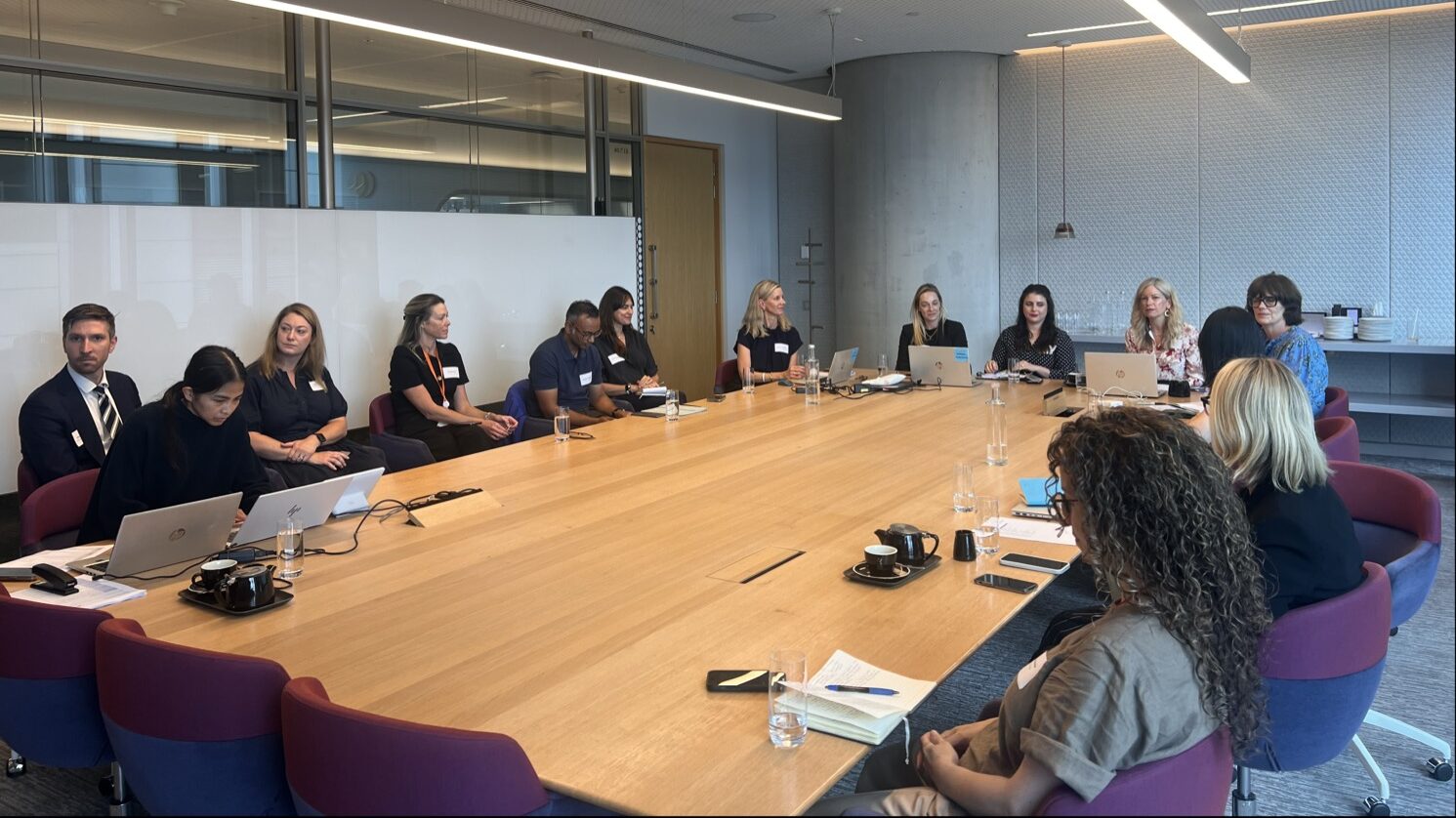
These insights were shared and explored during the first Philanthropy Australia Corporate Peer Network session for 2026, which brought together close to 80 members in a hybrid format, with participants joining both online and in person in Melbourne and Sydney. Speakers from Westpac Foundation, GHD Foundation and Z Zurich Foundation shared practical perspectives drawn from their own experiences, and the peer-based format created space for open discussion, reflection and shared learning.
As corporate giving and employee engagement continue to evolve, revisiting core principles and learning from peers will remain vital in translating insight into action.
What are Peer Networks and why do they matter?
Philanthropy Australia’s Peer Networks convene funders across Australia to learn, connect and collaborate in a trusted environment. They are member-only forums designed to build capability and strengthen practice by creating space for philanthropists with shared interests to exchange insights, test ideas, workshop challenges and learn from one another’s real-world experiences.
Most of the 13 active networks meet quarterly, either online and in person, and are shaped around funding interests, organisational types or geographic communities, offering members practical knowledge, new relationships and stronger alignment with best practice across the sector.
Strategic priority
Amplify, Convene, Influence
Subject
Corporate philanthropy, Funder/ funding


