
From Nairobi: Darrell Wade on progress, philanthropy and local leadership
 Stacey Knott, Senior Lead, Content & Media, Philanthropy Australia
 Fri, 24 Jul 2026
Estimated reading times: 3 minutes
Fri, 24 Jul 2026
Estimated reading times: 3 minutes
After decades of travelling across Africa, Philanthropy Australia Chair Darrell Wade says one message stands out above all others: the story Australians hear about the continent is often out of date.
Speaking to Giving News from Nairobi, where he is attending the Segal Conference and visiting local organisations with the Australian International Development Network (AIDN), Darrell says the pace of progress he continues to witness across Africa is remarkable – from improving health and education outcomes to thriving local enterprises and innovation.
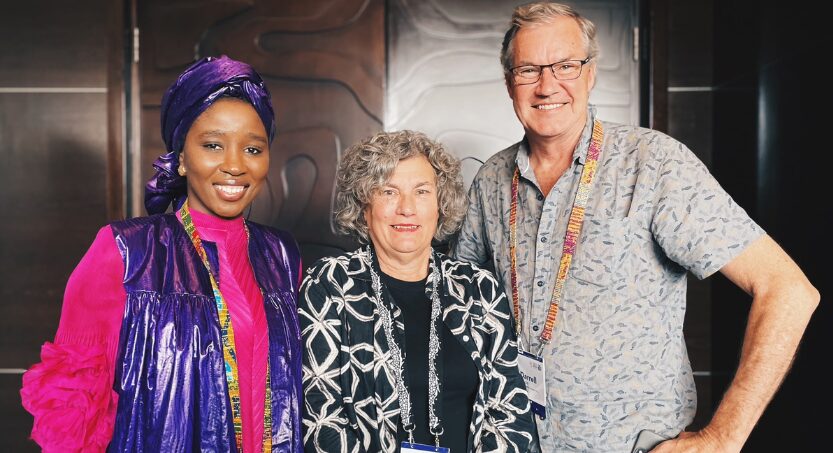
Through his philanthropic work, including as Chair of The Intrepid Foundation, Darrell supports around 50 projects across Africa. While at the Segal Conference, he’s been hearing about locally led innovations that are transforming communities.
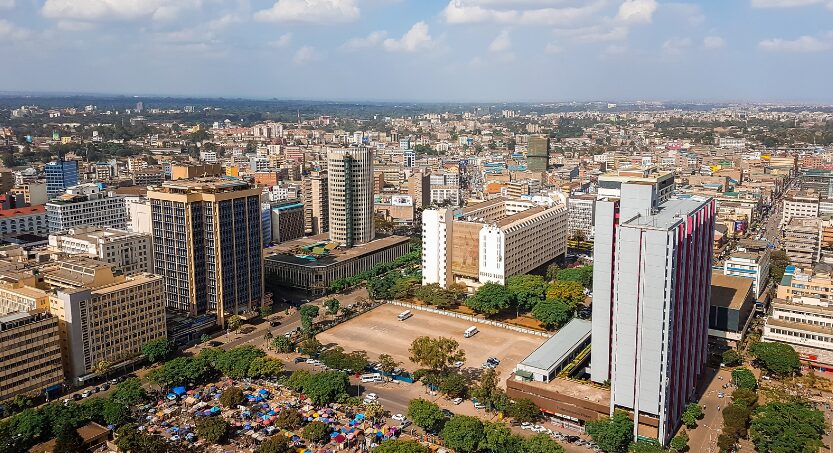
Darrell first visited Nairobi when he was 14 years old. Since then, he has returned dozens of times and witnessed dramatic change across the region. He believes many Australians still view Africa through an outdated lens. Reflecting on the changes he has seen in Nairobi, Darrell points to major improvements in infrastructure and economic development.
“When you’re on the ground, it’s remarkable how positive it is,” he says. “Just yesterday, I was driving across from one side of Nairobi to the other. You’re on a freeway – you’re passing gleaming glass towers like you would in Melbourne or Sydney, and looking out and seeing beautiful parks. That is not the Nairobi of my memory.”
Darrell says he has seen similar patterns of progress across several African countries, particularly in healthcare, education and community development. At the same time, he acknowledges major challenges remain, citing a visit this week to an overcrowded classroom in Nairobi as an example. The class he visited had 83 children in it, while others in the delegation saw between 65 to 90 children in classrooms.
“That’s not a way to get an effective education. There’s still a lot of progress to be made. Having said that, educational outcomes in Kenya are a lot better than they were 10 or 15 years ago. Progress is there, but still there’s a lot of work to be done.”
Locally led change
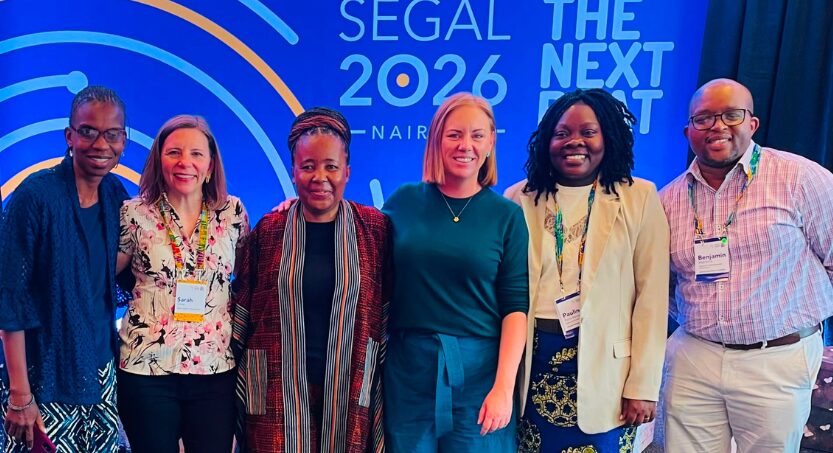
One of Darrell’s strongest observations is the role local communities and organisations are playing in driving change. Drawing on examples from Kenya, he says communities have often stepped in to fill gaps in healthcare delivery, and that philanthropic investment has helped strengthen local healthcare systems, particularly through training, technology and support for community health workers.
“The vast majority of your primary health care delivery is done at a community level,” he says. “Primary health care has been really organised and structured at a community level with a lot of external philanthropic funding.”
Darrell sees a similar model at work through the Segal Family Foundation, which backs local entrepreneurs, social enterprises and grassroots organisations. Many of these organisations have grown rapidly.
“Hundreds of small, effectively startups, social enterprises, small NGOs use their own local knowledge. We’ve met a number of organisations already that started five years ago with two people and a tiny amount of revenue, and now they’re employing hundreds of people. The level of innovation is really encouraging. It’s validation of the model, because it’s happening at a real scale.”
Philanthropy’s impact
Education remains a key focus for Darrell’s philanthropy – he finds time and again international philanthropy can have an outsized impact. He points to a conversation he had at Segal with a woman who has established a fast-expanding private school network in Tanzania, where families are making extraordinary sacrifices to access quality education.
“She was saying many in the community in Tanzania are willing to spend 40 per cent of their gross income to get their kids educated.”
Where government systems are not meeting expectations, communities are finding alternatives. For families who cannot afford school fees, philanthropy can make a significant difference. Darrell says to pay a scholarship for a kid into these schools costs about $40 a month, which is an example of the leverage philanthropy can have in international development.
“In a philanthropic sense, your dollars go a very long way in international aid.”
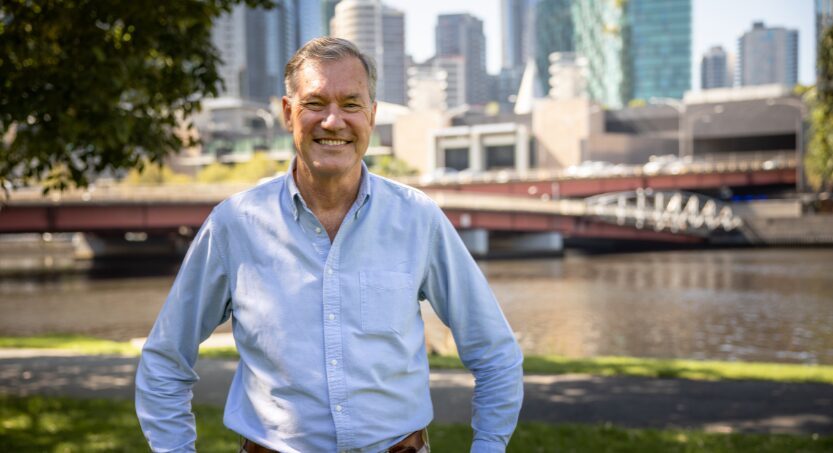
After decades of travelling to Africa, Darrell says the progress he continues to witness on the ground gives him confidence about the future. The communities, organisations and social enterprises he has met in Nairobi this week are proof that progress is happening – and that philanthropy can help accelerate it.
“The future of Africa is just remarkably bright, and yet I think that story is not really being told in Australia.”
Strategic priority
Advocate, Convene, Influence


