
Historic Treaty For Victoria promises ‘tomorrow can be better than yesterday’
 Dee Rudebeck, Advisor, News & Storytelling
 Fri, 31 Oct 2025
Estimated reading times: 3 min minutes
Fri, 31 Oct 2025
Estimated reading times: 3 min minutes
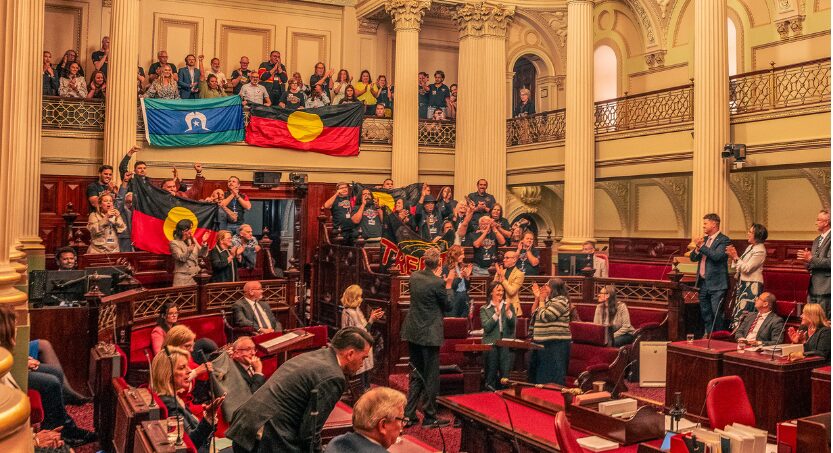
In a landmark session in the Victorian State Parliament last night, the first treaty with First Peoples and government in Australia was passed into law by the Upper House after a decade-long journey.
The Treaty will provide First Peoples decision-making power over certain First Peoples issues, allow them to hold government accountable to its promises, ensure they are consulted on legislation involving Aboriginal people and continue the process of Truth-telling and healing.
First Peoples’ Assembly of Victoria Co-chair and Wamba Wamba, Yorta Yorta, Dja Dja Wurrung and Dhudhuroa woman Ngarra Murray told Giving News: “For the very first time in this country’s history, a government is set to enter into a Treaty with First Peoples. This is not a small step, it is a rupture in our national story, a shift in power and a promise that tomorrow can be better than yesterday.”
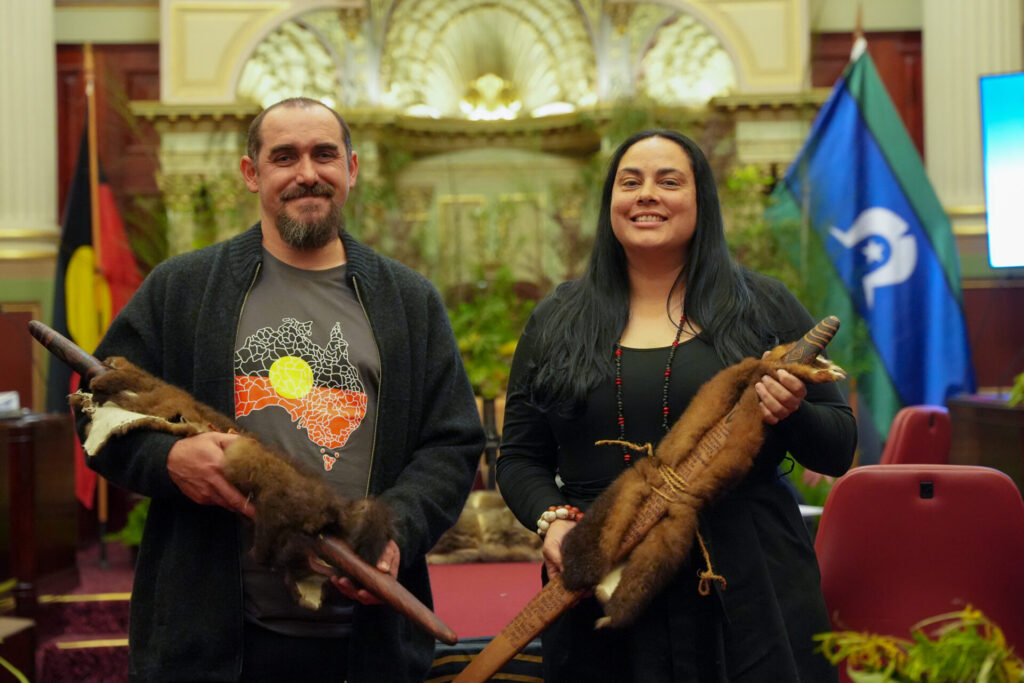
Ngarra said the Treaty recognises that Aboriginal people are the experts on their own lives, communities and country.
“Through Treaty, First Peoples will have the ability to use our knowledge and experience to come up with and deliver practical solutions for our local communities that actually work in areas like health, education, housing and justice. This will mean better outcomes for our people.”
The Statewide Treaty Bill establishes Gellung Warl. It will be made up of three key parts.
- A representative Aboriginal forum (the First Peoples’ Assembly of Victoria) vested with powers to engage with government, represent and advocate for First peoples on matters that affect them.
- Nyerna Yoorrook Telkuna, which will continue the Truth-telling and healing process started by the Yoorrook Justice Commission.
- An Outcomes and Justice Commission called Nginma Ngainga Wara to undertake research (akin the Commonwealth Productivity Commission) and provide independent oversight and accountability of State government and government-funded actions to ensure they improve outcomes for First Peoples.
Any legislation that goes through the Victorian parliament currently must pass a ‘statement of compatibility’ with human rights and gender equity. The Assembly’s oversight will sit alongside these mechanisms and future legislation relevant to First Peoples will need to pass a ‘statement of Treaty compatibility’. This will have to include how the First Peoples’ Assembly has been engaged and consulted.
Next steps will be the signing of the Treaty on 13 November and a cultural ascent process beginning with a public celebration in Federation Square on 12 December, which will bring the Treaty into life.
Other outcomes negotiated through Treaty will include the First Peoples’ Infrastructure Fund coming under the carriage of the Assembly; the incorporation of the “true history of these lands” into the Victorian curriculum; the establishment of the First Peoples’ Institute to help the facilitate the next generation of First Nations leaders; restoring some place names to traditional First Peoples’ names; and having a greater ceremonial role in State engagements.
Philanthropy and Treaty
Philanthropic backers have played a role as allies and funders of the movement, many of whom recently added their names to an open letter of support.
Regina Hill, a long-time advisor at Effective Philanthropy and more recently a Principal Advisor to the Assembly, said that the Treaty is a remarkable achievement, but there is more to do and now is the time.
“There is an important window between the 12 December and the end of this financial year when funders can donate to the Assembly or after that through the Self-Determination Fund. This will ensure a strong start for the Gellung Warl, which we know has huge potential to make a difference, but will also be a focal point for scrutiny.
“Sector leaders can add their voice by speaking up to endorse the importance and significance of this first Statewide Treaty, and back in the Assembly with funding to support it in the critical work it must know do to bring the Gellung Warl to life,” she said.
“Going from a small charitable organisation to the full-scale Gellung Warl will be a big step and philanthropy has a chance to back in the body to give it the best chance of success,” she said. “We can all be part of Treaty, supporting this first step as Victoria, and Australia.”
A long journey
Ngarra said that the journey to Treaty has not been easy, taking courage, sacrifice and tireless work from leaders and communities across First Nations countries.
“Treaty is here because of the resilience of our people who never gave up. As the dream of Treaty becomes a reality, I know our ancestors are watching with pride, seeing their vision come to life through us,” she said.
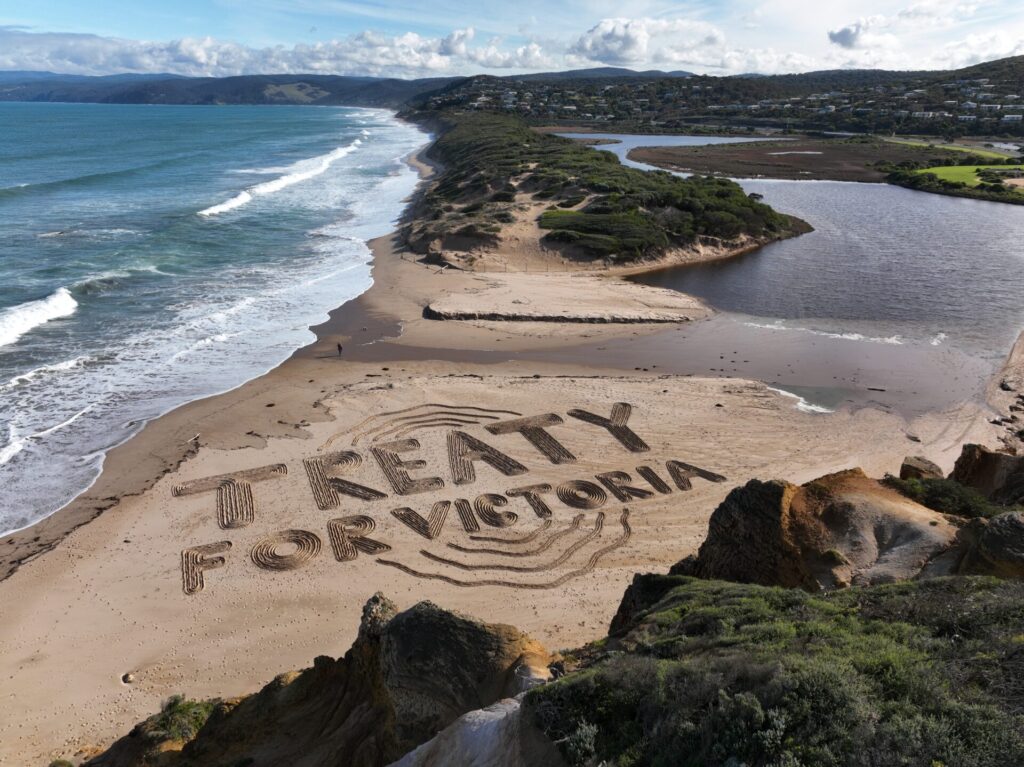
Maree Sidey, Philanthropy Australia CEO, said this momentous occasion is the beginning of a more positive future for our First Peoples communities, but it has been hard won by so many committed Traditional Owners and First Peoples’ leaders and their allies.
“We know that self-determination for First People’s communities delivers outcomes that work, that culturally fit and that create real change,” she said.
“I applaud and congratulate all those who have worked toward and supported this achievement, including those in our sector. I know it will signal a new direction for all, but the movement will need further strengthening that philanthropy can support. I hope it also has a ripple effect across Australia as we see the positive outcomes that follow.”
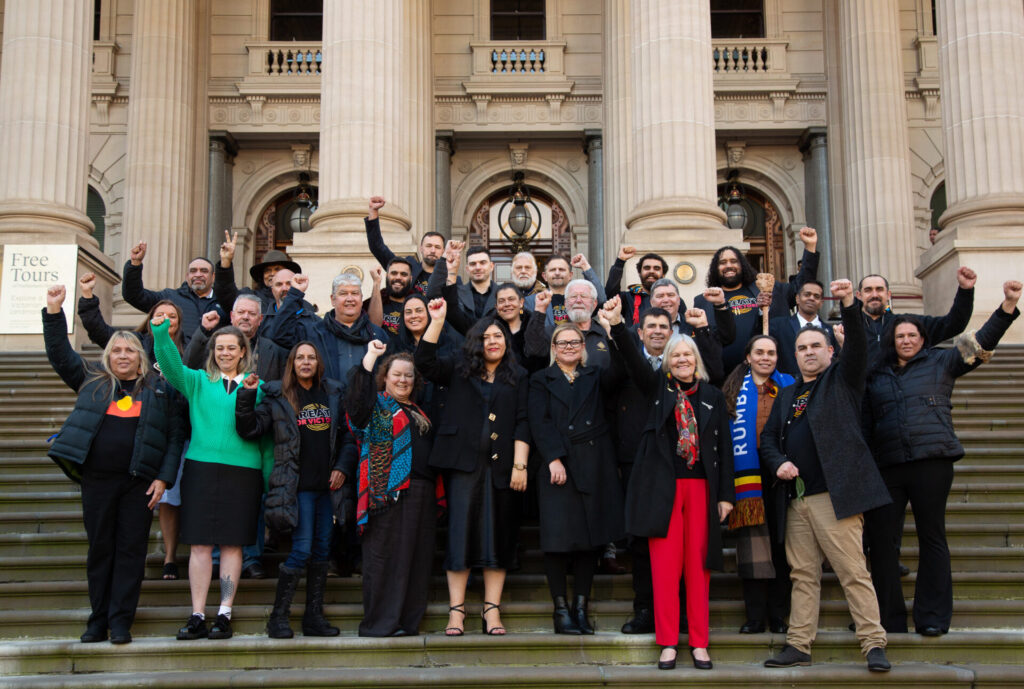
Ngarra said that as allies, we’re stronger when we’re together. “Treaty is a chance for all Victorians to acknowledge our shared history, heal and move forward together. It will provide opportunities to share in and celebrate the oldest continuing culture in the world.”
“If you support Treaty and progress for First Peoples, please walk with us on this Treaty journey.”
Anyone wanting to learn more about how they can support the Assembly, contact can contact the CEO, Damein Bell, at [email protected].
Main image credit: Leroy Miller, 30 October 2025
Strategic priority
Advocate, Foster
Subject
Community health, First Nations people, Government, Human rights, Policy and advocacy, Reconciliation


