
Invest early, change everything: Why adolescent girls are philanthropy’s greatest untapped investment
 By Conor Costello, Associate Director, Policy & Advocacy at Plan International Australia
 Fri, 7 Aug 2026
Estimated reading times: 2 minutes
Fri, 7 Aug 2026
Estimated reading times: 2 minutes

Every philanthropist wants to invest where the return is greatest. The evidence suggests there are few opportunities with greater long-term impact than investing in adolescent girls.
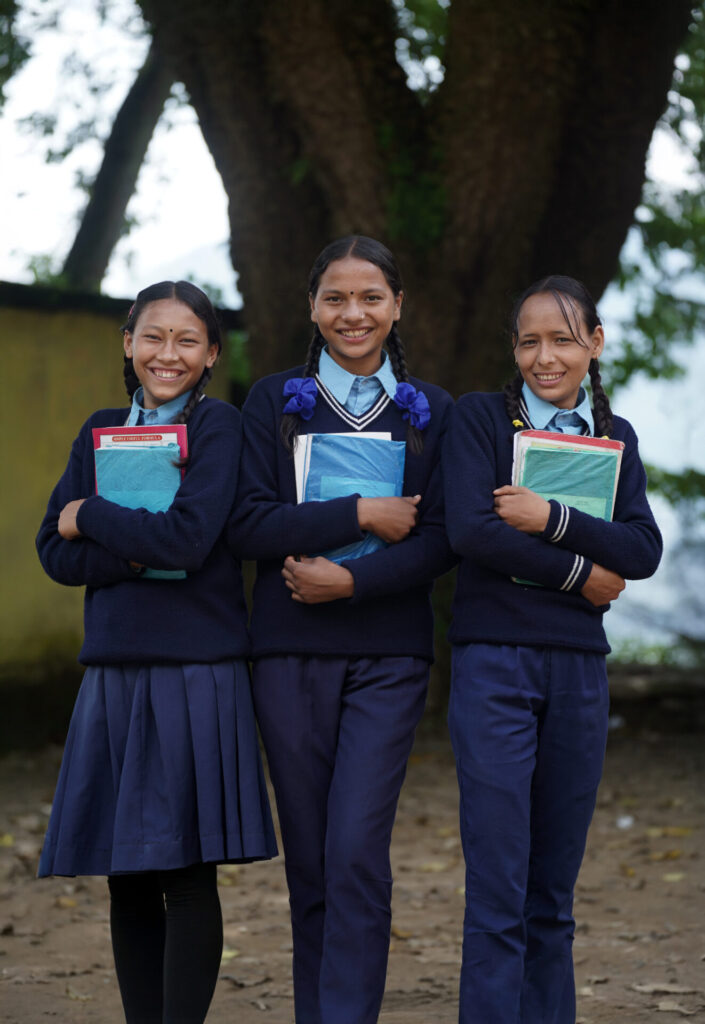
Across the Asia-Pacific, more than 240 million girls aged 10 to 19 are entering the stage of life that will shape their future education, health, safety and economic participation. It is also the point at which gender inequality becomes entrenched. During adolescence, girls are most likely to leave school, experience violence, be married far too early, or become pregnant. Once these pathways are set, the consequences can last a lifetime and often extend to the next generation.
Investing in adolescent girls is not investing in a single issue. When girls are given the opportunity to thrive, they become powerful drivers of change, strengthening communities, building climate resilience, growing economies and creating healthier, more equitable societies.
Yet despite the evidence, adolescent girls remain one of the least visible groups in development financing. The Overseas Development Institute’s Investing in Adolescent Girls analysis found that less than one per cent of global official development assistance is specifically directed towards adolescent girls, despite them representing a significant share of the population in low and middle-income countries.
Funding represents an opportunity
For funders seeking lasting impact, this represents more than a funding gap. It represents an opportunity.
The economic evidence is compelling. UNICEF’s Right on the Money report found that integrated investments in adolescent girls generate benefits during adolescence, throughout adulthood, and for the next generation, describing this as a “triple dividend”. Depending on the intervention, benefit-cost ratios range from around 10:1 for investments in adolescent health and education to as high as 26:1 for comprehensive, multisector approaches.
Those returns are measured not only in economic productivity, but also in reduced healthcare costs, lower rates of child marriage and gender-based violence, increased educational attainment, stronger labour force participation, and healthier families. UNICEF estimates that an integrated package of support for adolescent girls could prevent 120,000 adolescent pregnancies, nearly 7,000 child marriages and more than 60,000 cases of violence, while generating US$918 million in productivity gains and health system savings.
Behind these numbers are girls like Sumaiya, from Bangladesh:
Married at just 14 because her family believed it was their only option, Sumaiya’s future narrowed almost overnight. After returning home following a divorce, access to employment allowed her to rebuild her life. Today she dreams that, if she has a daughter, “I will ask her to get higher education and get married only after she becomes an independent adult.” Reflecting on her own experience, she says, “providing work and training for girls and young women is so important. It helps protect them from being pushed into marriage”.
Philanthropy’s unique role
Sumaiya’s story illustrates an important truth. Child marriage, adolescent pregnancy and gender-based violence are not inevitable. They are symptoms of systems that failed to invest early enough.
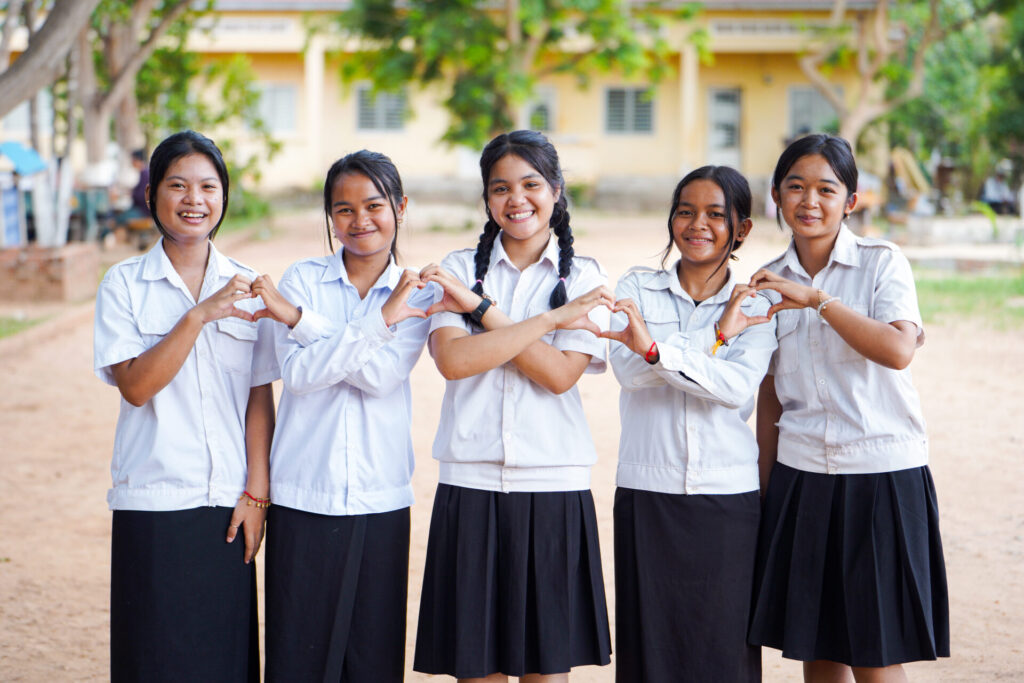
This is where philanthropy has a unique role to play.
As government aid budgets contract, philanthropic capital can provide the flexible, catalytic funding needed to test new approaches, back local leadership and demonstrate models that can later attract larger institutional investment. It can fund prevention rather than remediation and help address the root causes of inequality before they become lifelong barriers.
Plan International Australia’s new report, Invest Early, Change Everything: Unlocking the Potential of Adolescent Girls in the Asia-Pacific Region, brings together the latest global evidence on why adolescence is the highest-impact point for investment and outlines practical opportunities for governments and philanthropy to accelerate progress for girls and their communities.
This evidence is increasingly difficult to ignore, and for philanthropy, the opportunity is clear. Invest early, and we don’t just change the trajectory of one girl’s life, we strengthen families, communities and economies for decades to come. It creates a legacy that extends far beyond one generation and long after the original investment has been made.

Conor Costello is the Associate Director, Policy & Advocacy at Plan International Australia
Strategic priority
Amplify, Convene
Subject
Communities, Early childhood education, Human rights, Women and girls


