
Field Trip Friday: Why medical research needs bolder giving
 By David Sloan, Head of Philanthropy, Wesley Research Institute
 Fri, 4 Sep 2026
Estimated reading times: 2 minutes
Fri, 4 Sep 2026
Estimated reading times: 2 minutes
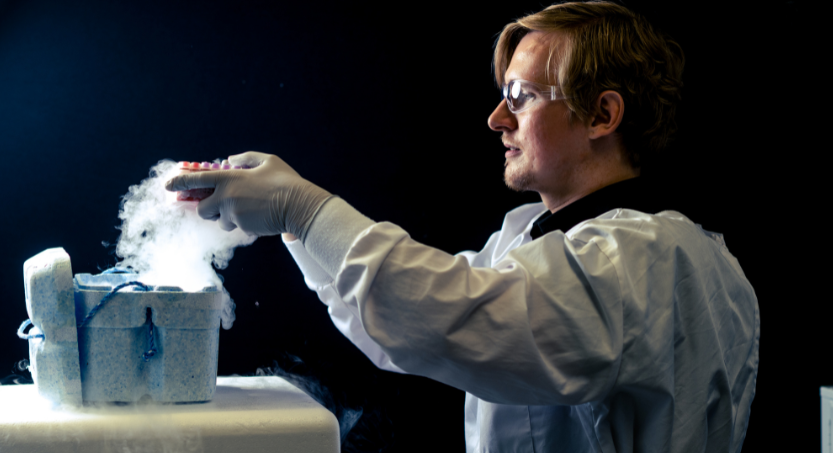
Wesley Research Institute’s David Sloan explains why Conference week in Brisbane presents an opportunity for bolder giving to medical research. He writes ahead of the Field Trip Friday: Mobilising Generosity in Medical Research, a free, small-group visit for funders and sector leaders across four stops – including at Wesley Research Institute.
In 2023, Emeritus Professor Ian Frazer AC told this publication something that fundraisers and funders in medical research have been quoting ever since: “It’s not research if you know the outcome.”
He said it while explaining a fact that still surprises people. Almost everything his lab did in his first fifteen years in Queensland was funded by philanthropy. A Lions Club grant that established his post at UQ and bought his lab its equipment. Charitable funding for the postdoc at the Walter and Eliza Hall Institute that brought him from Scotland to Australia in the first place. Later, seed funding from the Australian Cancer Research Foundation to establish a cancer immunology centre at UQ. Out of those fifteen years came the breakthrough he and the late Dr Jian Zhou made in the early 1990s, when new molecular biology techniques let them grow the virus in the lab. From there, Gardasil (celebrating a 20-year milestone) dispensed a quarter of a billion times, and a country now on track to be the first in the world to eliminate cervical cancer.
Emeritus Professor Frazer’s point was not sentimental. Competitive grant funding rewards what you have already proven. Philanthropy can back what you believe you might achieve. That distinction is the reason philanthropic capital is the only money in the system that can genuinely take risk, and it is why he joined Philanthropy Australia in calling on the nation to double charitable giving to medical research by 2030, from $1.5 billion to $3 billion.
That call still stands and next week, it lands in the city where his story began.
Three moments in one week
The Philanthropy Australia Conference comes to Brisbane for the first time from 7 to 11 September, in Philanthropy Australia’s 50th year, under the theme Mobilising Generosity. Shaping the Future. It arrives in a state whose medical research ecosystem is unusually dense, unusually collaborative, and unusually good at turning discovery into treatment. Three events across the week make that case in three different ways.
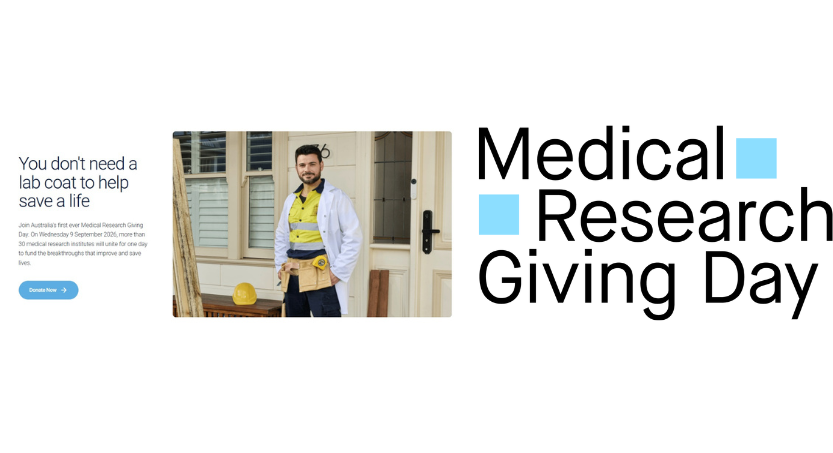
National Medical Research Giving Day, Wednesday 9 September. On the middle day of Conference, over 30 medical research institutes from across the AAMRI network will run a single, coordinated national giving day. Not 31 campaigns competing for the same attention, but one sector asking the country to back Australian medical research together. For the MRI sector, it is a demonstration of what happens when institutes choose to operate as an ecosystem rather than a set of competitors.
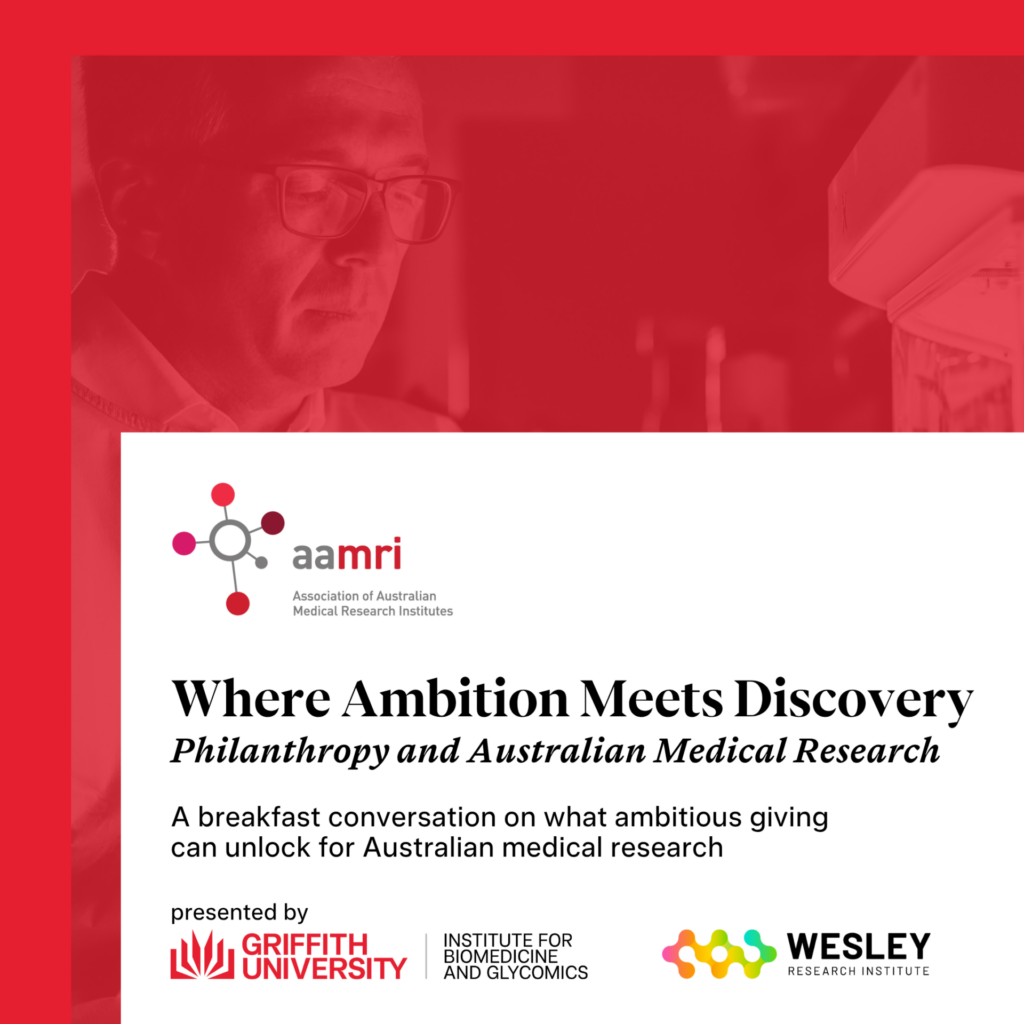
Where Ambition Meets Discovery, a Conference side event. A philanthropy breakfast on the Webb Centre Rooftop Terrace, hosted by Griffith University’s Institute for Biomedicine and Glycomics, Wesley Research Institute, and the Australian Association of Medical Research Institutes (AAMRI), bringing funders and researchers into the same room before the day begins. I’ll be moderating a panel with Dr Saraid Billiards, CEO of AAMRI, Professor James St John, and Dr Jeanette Pritchard, CEO of Passe & Williams Foundation. The conversation we want to have is not about the case for medical research. It is about what changes when giving becomes ambitious….longer horizons, higher risk tolerance, and the willingness to fund the thing that has not worked yet.
Field Trip Friday: Mobilising Generosity in Medical Research, Friday 11 September. A free, small-group visit for funders and sector leaders across four stops that together trace the whole arc from idea to patient. Perpetual, the Clem Jones Foundation, and the hosting institutes have put together a program of discovery science at UQ and the Queensland Brain Institute, where attendees will meet Emeritus Professor Frazer on Friday morning, and translational research at Wesley Research Institute, including the spatial medicine partnership between the two institutions. Community impact with QIMR Berghofer and the RBWH Foundation at the Herston Health Precinct. Commercialisation at TRI, Translational Research Institute.
The uncomfortable part
Here is what a day like that also reveals; the riskiest point in Australian medical research is not the moment of discovery. It is everything that comes after: the years between a promising result and a therapy that reaches a patient, and the collaborations that sit between institutions and therefore fit neatly into no one’s funding line.
That gap is where philanthropy is most needed and least present. It is easier to fund a named piece of equipment than five years of a research program. Possibly, easier to fund one institute than a partnership between three or easier to give annually than to commit for a decade. Every one of those easier choices is reasonable, and collectively they leave the highest-value work underfunded.
Bold giving looks different. It is multi-year, unrestricted, or close to it and it funds people, materials, and technology, rather than only projects. It accepts that a proportion of what it backs will not work, because the alternative is funding only what was always going to work anyway. And it is giving that is patient enough to stay in the room for the fifteen years between a virus-like particle under an electron microscope and a vaccine that has now prevented at least 100,000 deaths.
Doubling giving to medical research by 2030 is achievable. It requires more donors, but more than that, it requires braver ones.
I invite you to come to the breakfast. Give on 9th September. Take the field trip. Then have the conversation about what your boldest possible gift to medical research would look like and ask why you are not making it.
See you at the conference!
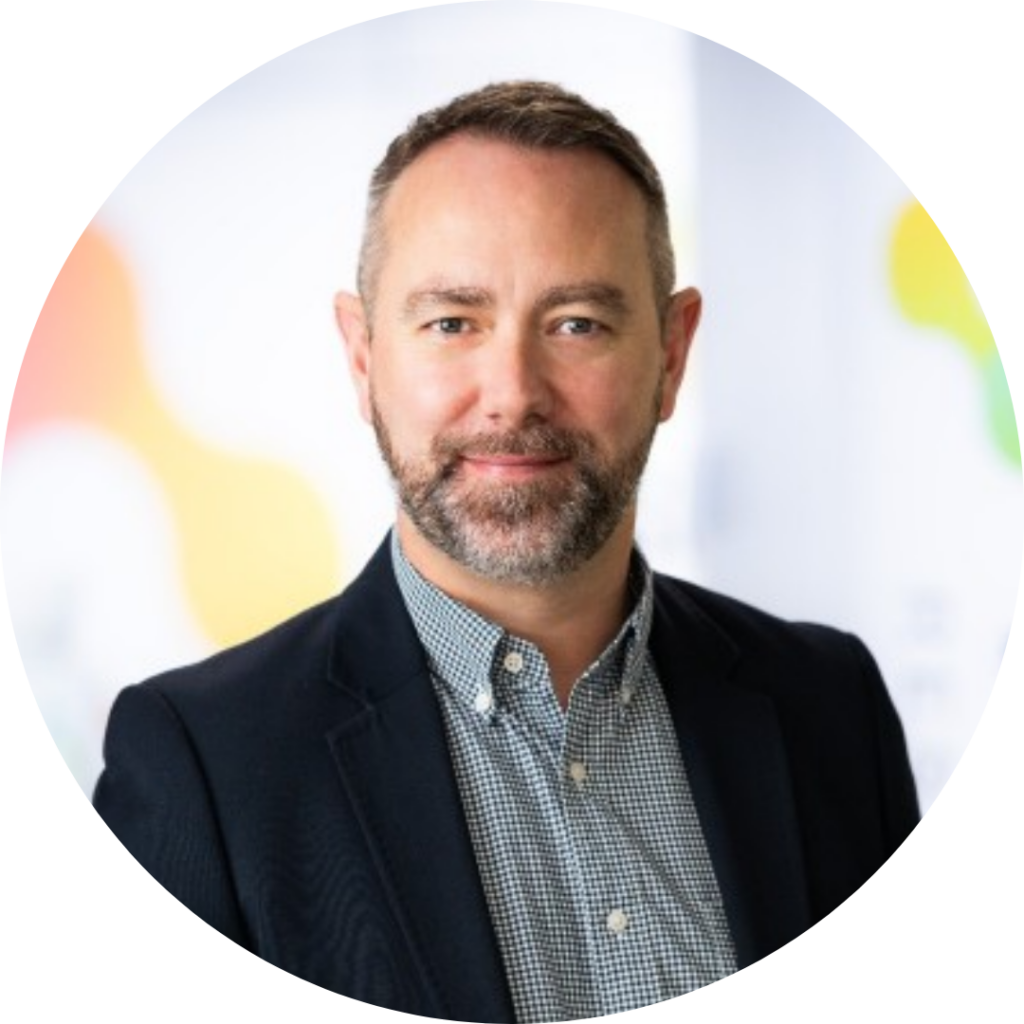
David Sloan is Head of Philanthropy at Wesley Research Institute and Chair of the National Medical Research Giving Day Steering Committee.
The National Medical Research Giving Day is on Wednesday 9 September. Where Ambition Meets Discovery and Field Trip Friday are both part of the Philanthropy Australia Conference 2026 program in Brisbane.
This is one of seven field trips on offer as part of the Philanthropy Australia Conference 2026 program in Brisbane. For more information or to register visit Field Trip Friday | Philanthropy Australia Conference
Strategic priority
Amplify


