
NAIDOC Week 2026: A First Nations-led giving model is redistributing wealth for long-term change
 Fri, 10 Jul 2026
Estimated reading times: 2 minutes
Fri, 10 Jul 2026
Estimated reading times: 2 minutes
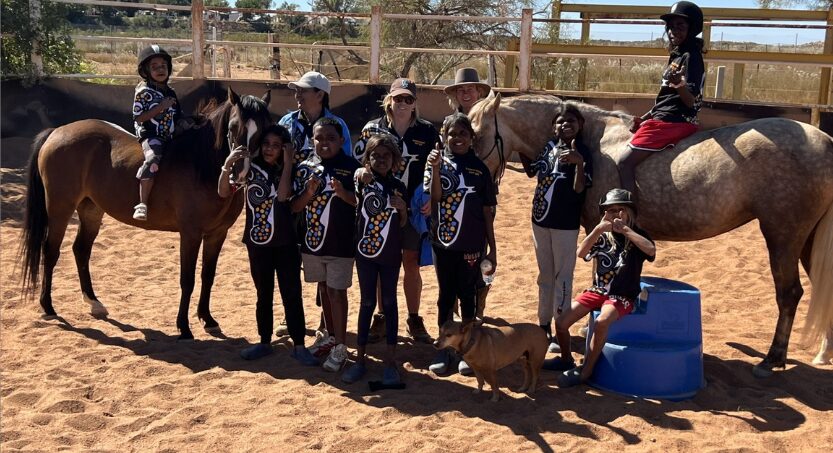
Kaytetye woman Rona Glynn-McDonald and Djugun man Louis Mokak founded First Nations Futures (FNF) in 2023 in response to the significant underfunding of First Nations communities. Only 1.5 per cent of philanthropy was going to organisations servicing First Nations people and just 0.9 per cent reached First Nations-led organisations.
While at university, they witnessed the stark inequality of wealth distribution in Australia and the vastly different life outcomes shaped by background and access to resources. Motivated by this, Rona and Louis set out to create a First Nations economic justice organisation that challenges traditional funding systems and redistributes wealth to community-led initiatives.
Despite being only three years old, FNF has grown rapidly, building a community of more than 750 donors and distributing over $720,000.
Barbie-Lee Kirby is a proud Ngemba, Wailwan, Paakintyi-Maraura, Gamilaraay and Yuwaalaraay woman from Brewarrina, a remote community in Far West NSW. She is the Executive Director of First Nations Futures.
“There’s a lot to say about how wealth sits in silos in this country. That’s a privilege itself, to have access to those silos,” she says.
FNF’s model is intentionally ambitious. It commits multi-year funding of $40,000 annually for each community partner, which are all First Nations-led organisations delivering locally driven initiatives. With 10 community partners, this requires at least $400,000 in annual grant funding, alongside operating costs, including two paid staff.
Funding comes from several sources. Around 12 philanthropic organisations provide core or pooled funding, some supporting operations, others funding redistribution. This requires significant relationship management and distinguishes FNF through its structured fundraising approach.
Individual donors also contribute through the Impact Fund, giving anywhere from $20 to $20,000, with all funds directed to community partners. An endowment, supported by a major trust, provides an additional source of income.
Trust-based philanthropy
FNF exemplifies trust-based philanthropy. Funding is untied and multi-year, allowing partners to focus on long-term outcomes rather than ongoing fundraising. Decisions are not donor-led. Instead, a committee of around 10 First Nations people with lived experience determines allocations. The application process is intentionally low-burden, involving a short survey and informal engagement.
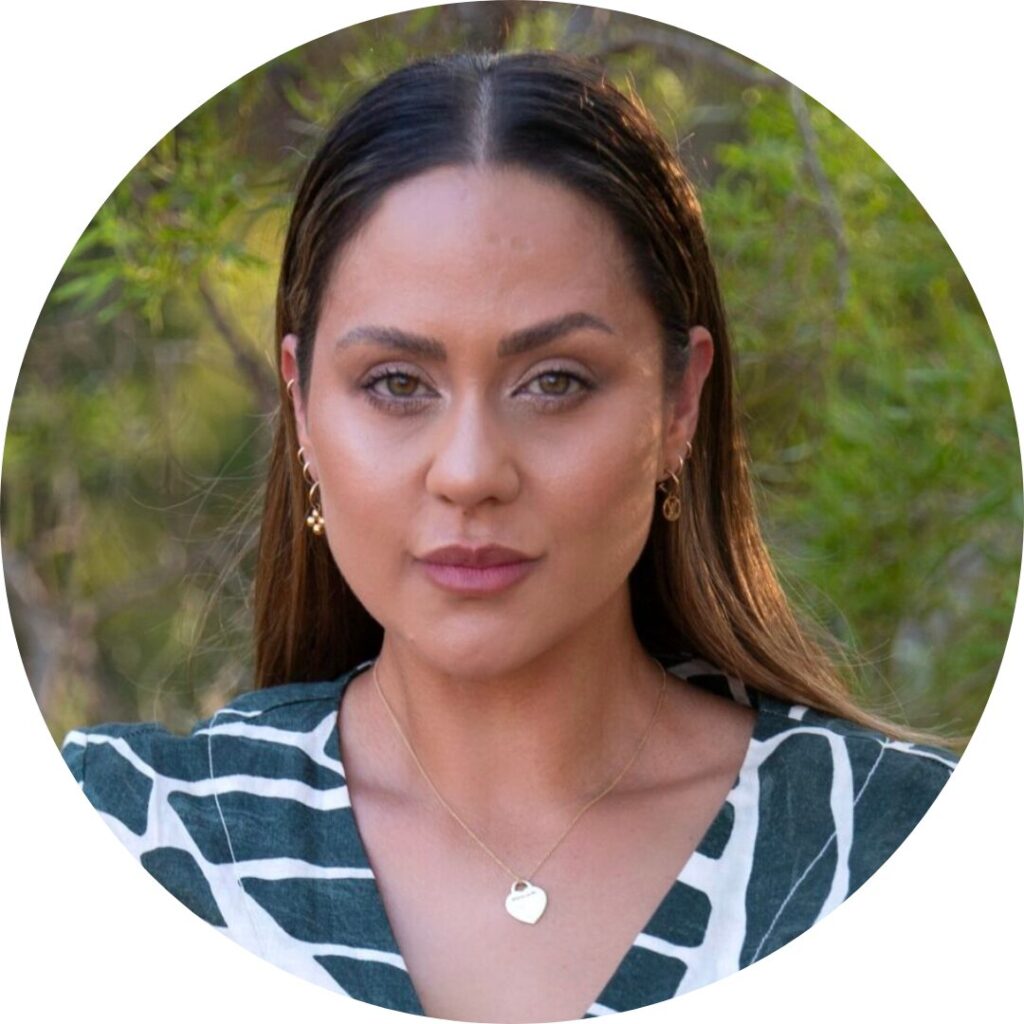
Barbie-Lee says they are led by those who know their communities best.
“We trust that the people on the ground doing the work understand locally led solutions. If they believe in them, we believe in them, too,” she says.
Examples of FNF community partners include Brother to Another, a Darwin-based organisation working to create systems change within the youth justice system and support young First Nations men who have been, or are at-risk of, incarceration, and their families.
Another is New South Wales-based Redfern Youth Connect (RYC). RYC delivers a community-based, after-school program supporting young people aged 10-18 six days per week. It provides a safe space where they can access appropriate support and build the skills, confidence and capabilities to plan their futures.
Looking ahead, FNF plans to grow its number of community partners and expand staff capacity. It also aims to build awareness of First Nations economic justice and demonstrate how collective giving can amplify individual contributions. Expanding corporate partnerships and exploring new fundraising approaches are key priorities for diversifying revenue.
A FNF case study features in Philanthropy Australia’s landmark report Giving Together: The power and potential of collective giving in Australia. The research charts the rise of collective giving across the country and provides the clearest picture of the field to date.
Subject
Collective giving, First Nations people


