
Reflections from Women Deliver: gender equality is under threat
 Thu, 14 May 2026
Estimated reading times: 3 minutes
Thu, 14 May 2026
Estimated reading times: 3 minutes
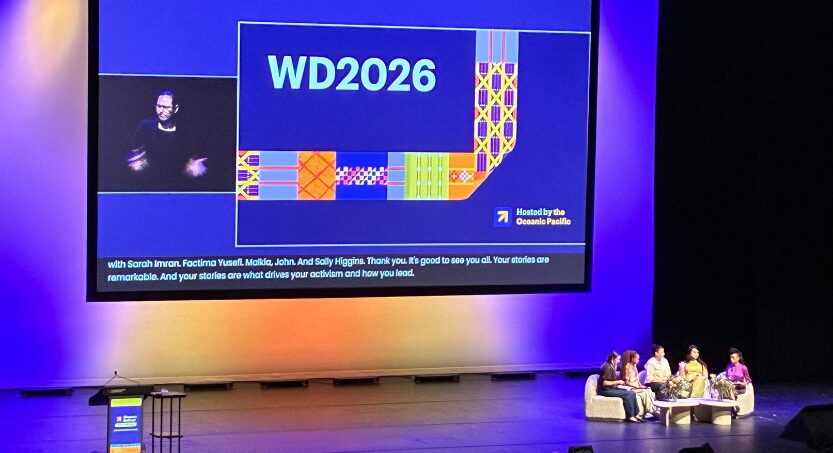
Melbourne was alive with colour, culture and passion in late April, when the global gender equality conference Women Deliver took place in the city’s Southbank. Echoing through the conference was the deep sense of women’s rights being rolled back, with speakers pointing to the rise of anti-rights movements, shrinking civic space and increasing inequality.
Nayomi Kannangara, CEO of the International Women’s Development Agency and Director of Philanthropy Australia, said the conference sharpened a growing sense that gains in gender equality are not just stalling, but actively under threat.
“Feminist movements are not operating on stable ground,” Nayomi told Giving News. “The terrain has been deliberately shaken by weaponised politics against gender equality, designed to fragment, exhaust and silence.”
And yet, alongside this sobering reality, Nayomi said there was also a strong sense that a shift is needed in how philanthropy can progress gender equality.
“What I heard across Women Deliver was not just urgency but a clear shift,” Kannangara said. “A move away from short-term, transactional funding towards long-term, trust-based support that backs movements to lead on their own terms.”
This call to rethink funding models was a consistent thread, reflecting a broader push towards shifting power, investing in local leadership and strengthening community-led solutions.
Oceanic priorities centred
For many Australian participants, the significance of hosting the conference in the Oceanic Pacific region for the first time was deeply felt. It created space not just for global dialogue, but for regional priorities and perspectives to be more clearly centred.
“It was fantastic to see such respect for the Naarm traditional owners and the profile for First Nations peoples across the agenda,” said Louise Holding, Chief of Engagement at the Indigenous Desert Alliance.
“Women Deliver was an opportunity to be part of a global dialogue on climate and intersectionality, and we were so pleased to ensure that our desert mob were part of that discussion.
“We hope that we can deepen our connections with funders of Indigenous-led solutions to climate change, especially for the Australian desert, the largest Indigenous‑led conservation corridor in the world.”
What comes next?
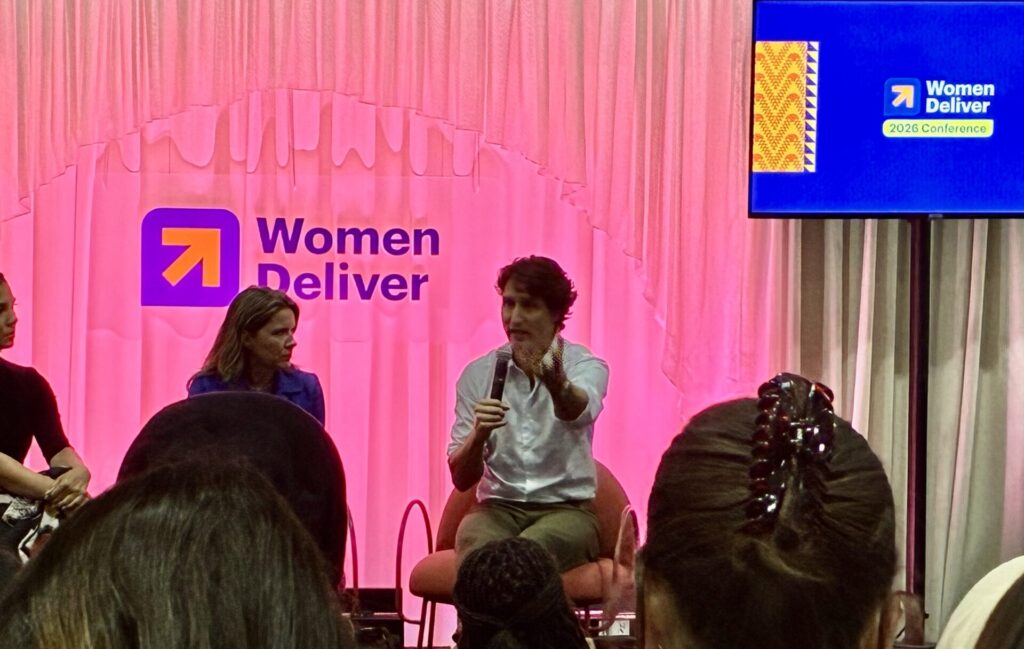
At the close of the conference, the launch of the Melbourne Declaration for Gender Equality signalled a collective commitment to accountability and action, reinforcing the expectation that the ideas and energy generated in Melbourne must translate into tangible change. For attendees, however, the lasting impression was as much about what comes next as what was discussed.
“The conference was equal parts invigorating and sobering,” said Steffi Chang, Director of Philanthropic Partnerships at World Vision. “Women Deliver shined a blinding light on all the work we must do not just to progress, but to regain the ground we have lost.”
“As she reflected, quoting Jacinda Ardern: ‘In the hardest of times, we must not retreat; we must lean in.’”
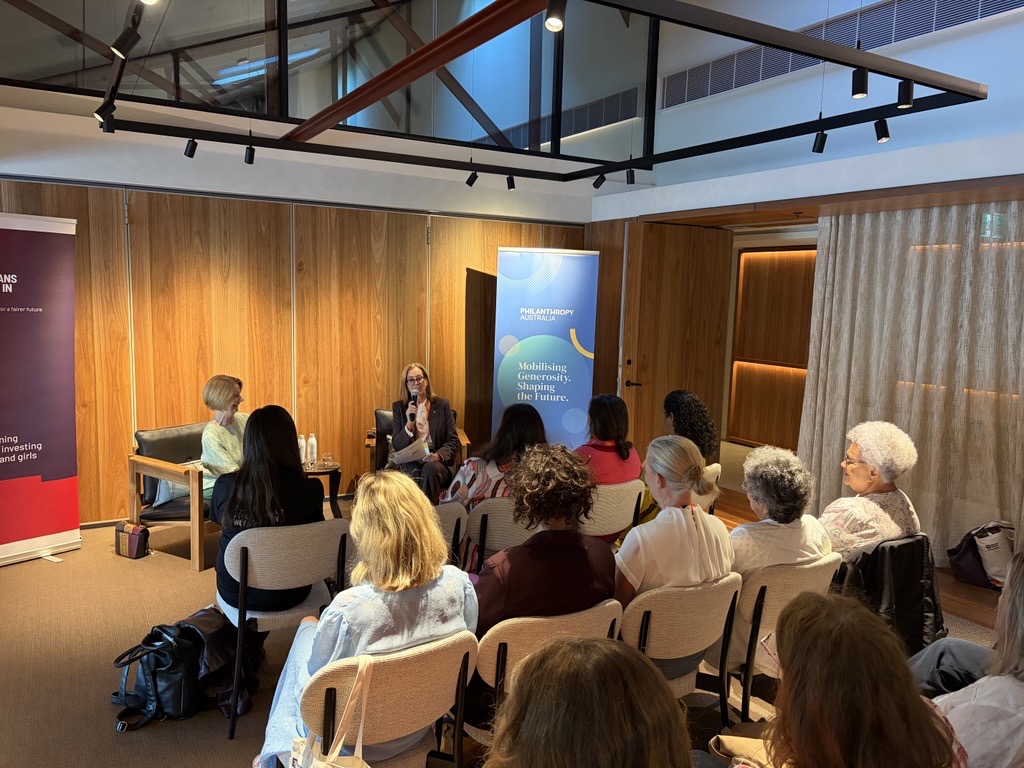
| Philanthropy Australia at Women Deliver The Philanthropy Connect Lounge, hosted by Australians Investing in Women and supported by Philanthropy Australia, became a space for funders, practitioners and advocates to gather around the core Women Deliver conference. Across the week, the Lounge hosted a series of pop‑up discussions featuring leaders including The Hon Julia Gillard AC, The Hon Gabrielle Williams MP, Natasha Stott Despoja AO, Nalina Singh of Fiji, Doris Tulifau of Samoa, and Seema Jalan from the Gates Foundation. The Lounge facilitated meaningful connections and strengthened engagement between Australian and international philanthropy, reflecting the importance of relationship‑building alongside formal dialogue. |
Strategic priority
Advocate, Amplify, Convene, Engage, Influence
Subject
Women and girls, Women's giving


