
Voices of Impact: Grace Vegesana and the climate stakes for young people
 Stacey Knott, Senior Lead, Content & Media, Philanthropy Australia
 Thu, 12 Nov 2026
Estimated reading times: 2 minutes

For Grace Vegesana, attending COP31 in Türkiye this month is about having a say in future her generation will live through, and what Australia can do to shape it.
Born in a mining town in Botswana, Grace witnessed the impacts of extractive industries on local communities and later drew connections to the heat and inequality experienced in her adopted home in Western Sydney. While researching why her area was often significantly hotter than central Sydney, she became interested in climate justice, urban heat and economic disparities. That curiosity ultimately led her to the Australian Youth Climate Coalition (AYCC).
She is now National Director of the AYCC and is in Türkiye which is an accredited observer to the United Nations Framework Convention on Climate Change (UNFCCC). Grace joins people from nearly 200 countries negotiating global action on climate change, representing grassroots youth climate action.
COP31 is the first time Australia will lead the negotiations as COP president, which Grace says is an opportunity for Australia to showcase leadership on the energy transition.
Grace is particularly hopeful COP31 will deliver progress on electrification, climate finance and improved access to funding for developing and low-lying nations, especially in the Pacific and the Caribbean.
Turning youth voices into action
Grace said young peoples’ voices are crucial to any planning or negotiating on climate action at the gathering.
“There’s lots of potential as long as we hold the line on ambition and what we actually need, particularly for young people. Our generation will be here to witness every single fraction of the degrees of change.”
She draws hope from youth-led movements around the world, pointing to protests and political mobilisation in countries including Serbia and India as examples of young people driving public debate and political change. Closer to home, she was inspired by the No More COP Outs rally in Sydney ahead of COP31.
“There’s a lot to be hopeful for and I think young people are the best and will change the world. And we already do.”
What philanthropy can learn from young people
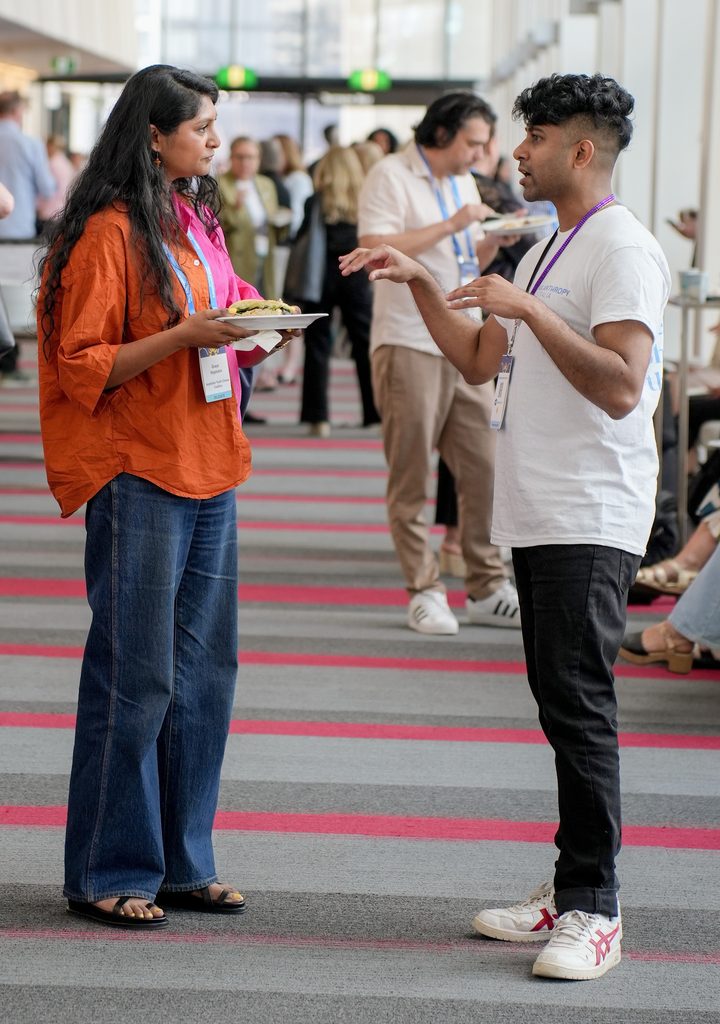
With the support of a scholarship Grace attended the Philanthropy Australia Conference in September this year, after becoming more familiar with the sector through fundraising and movement-building work at the AYCC. She helped facilitate youth-focused sessions and valued the emphasis placed on young voices throughout the event.
Grace believes young people should be involved across decision-making processes, advisory bodies and public advocacy. Their long-term perspective and creativity, she argues, can help challenge established assumptions and unlock new ways of thinking.
“Young people naturally think intergenerationally,” she says.
“We’re thinking about the next 60 years of life, for ourselves and the consequences that we will live through, that is already four generations ahead. And I think we have a lot of naivety in these spaces, which brings a lot of creativity and ability to see through the veil of problems and structures and barriers to actually managing what is possible.”
Strategic priority
Engage, Inspire


 News
