
Our story: Philanthropy Australia’s timeline
Highlights from more than 50 years of giving, advocacy, convening and knowledge sharing towards a more generous, just and sustainable future.

Established by a handful of funders and changemakers driven by a belief that sharing knowledge and experience would amplify their impact, the peak body now supports an ecosystem that gives billions of dollars every year to good causes. Here is a snapshot of our work and achievements through the decades.

1975–76
The Association of Australian Philanthropic Trusts is established. Prominent among the founders are Pat Feilman AM, EO of The Ian Potter Foundation and Lady Meriel Wright, EO of The Myer Foundation, along with Sarah Stegley AM, Jill Reichstein OAM, Jane Sandilands and supporting philanthropic foundations. Premises were provided by The Myer Foundation.

1977
Robin Hood was Right, published by the Vanguard Public Foundation in the US and promoted by Tracy Gary, influences many of the founding Association members. The book promotes moving away from a charity model that reinforces dependency and control towards ethical giving focused on addressing the roots of social inequity and funding for systems change.

1982
The Association publishes its principal objectives, outlining early achievements including membership across most states of Australia, circulation of a regular newsletter and convening discussion groups on issues including partnership with government, charities legislation, evaluation and focus on disability and drug abuse.

1988
The name Australian Association of Philanthropy is adopted and Marion Webster (later AM, vale 2024) is appointed as first Executive Officer. Melbourne premises were provided by the Helen Schutt Trust, now known as the Helen MacPherson Smith Trust.

1991
Max Dumais is appointed National Director.

1994
Association members encourage the emergence of mission-aligned investing, in which capital deployment from endowed funds are scrutinised for social and environmental impact alongside financial return. The Ethical and Responsible Wealth Information Group (EARWIG) is convened, as is the first Women Donors Network led by members such as Sue Matthews and Jill Reichstein OAM, above.

1996
Dr Elizabeth Cham is appointed National Director. Melbourne premises were provided from 1995 by The Ian Potter Foundation.

1997
The name Philanthropy Australia is adopted. International speakers are brought to Australia to share learnings that deepen and enhance practice, including Steven Burkeman, Barry Gaberman, Diana Leat (above), Tracy Gary and Peter Hero.

2000
Philanthropy Australia and The Myer Foundation host the sector’s first public conference under the theme ‘Putting the dot in Philanthropy’ (above), exploring how the Australian philanthropic sector can make use of the internet and database development. PA recognises the early development of community foundations in Australia.

2001
In response to extensive policy advocacy work by PA and partners, the Government introduces policy measures to create incentives for philanthropy and remove barriers. Most notably, this includes the introduction of Prescribed Private Funds, later to become Private Ancillary Funds. The first was the Nelson Meers Foundation by Nelson Meers AO and his daughter Sam Meers AO (above).

2003
Philanthropy Australia establishes peer networks focused on giving in aged care and the arts, adding to its groups for disability, Indigenous affairs, agricultural and rural affairs, and early childhood intervention.
2005
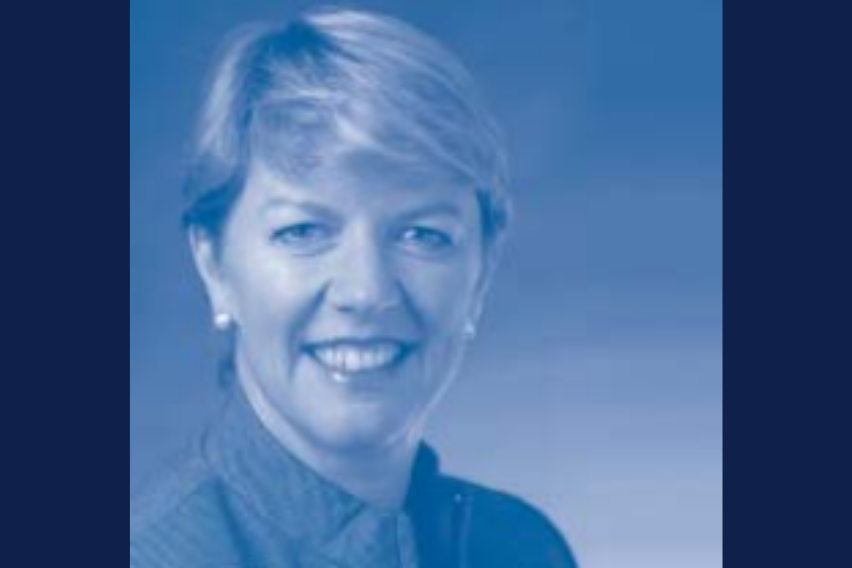
Gina Anderson (above) is appointed CEO. The initial Giving Australia report, commissioned by the Australian Government, is launched at the Philanthropy Australia Conference. It is the most comprehensive survey of the philanthropy in Australia to date, showing individual monetary giving rose 88% from 1997 and volunteering increased 16% from 2000. Philanthropy Australia’s membership reaches 285 and two more peer networks are launched to help grow giving and its impact.
2008
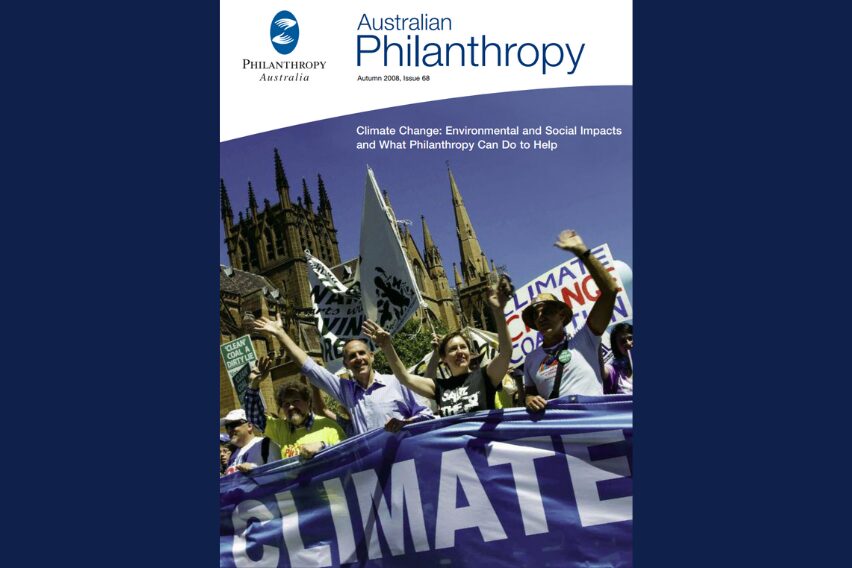
The Australian Environmental Grantmakers Network is formed by a group of philanthropists including PA members around a desire to protect nature and secure a safe climate. The network now has more than 200 members and aims to direct $2.5bn to climate solutions by 2030. The Melbourne premises were provided by the ANZ Trustees from 2007.
2009
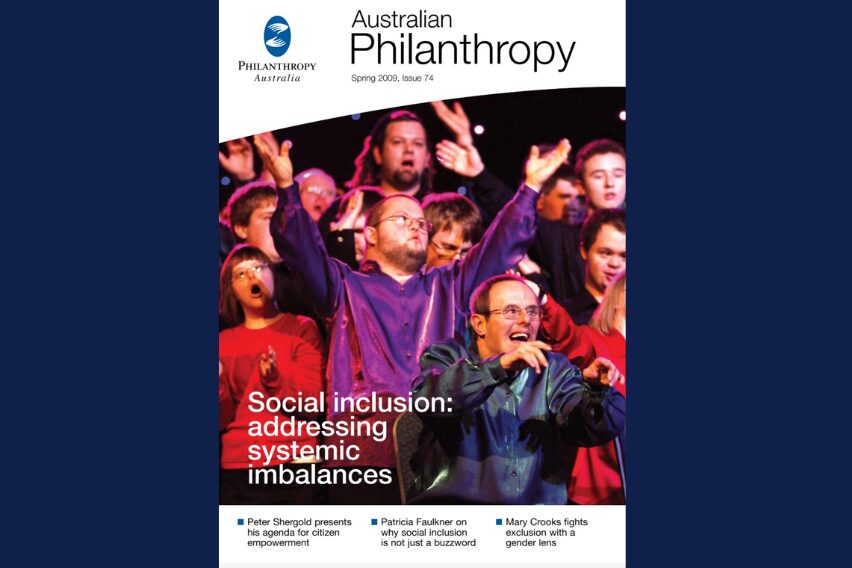
The new Private Ancillary Fund Guidelines 2009 are introduced by the Australian Government. Philanthropy Australia leads advocacy efforts that result in the Government deciding on a minimum distribution rate of 5%.
2010
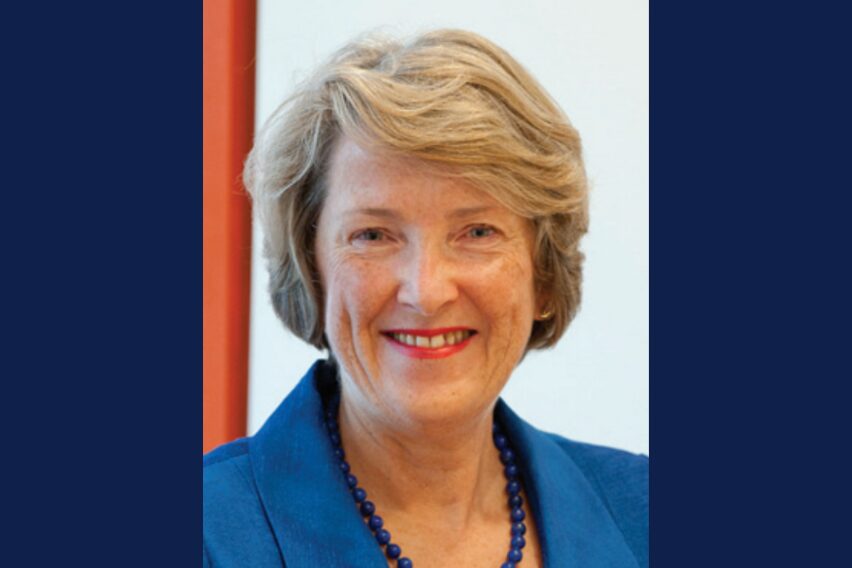
Dr Deborah Seifert AM is appointed CEO.
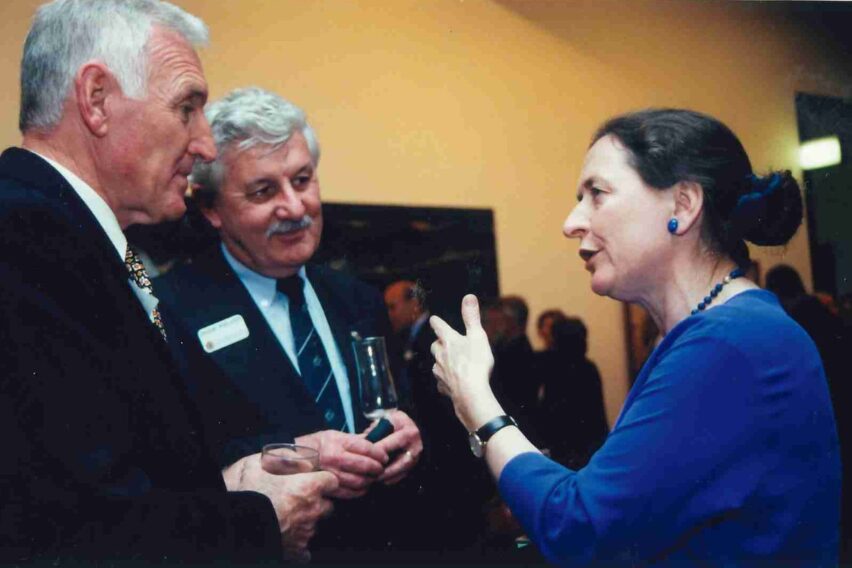
2011
PA holds 139 events in 16 locations across the country and pilots the Philanthropy 101 professional development workshop series. The inaugural Philanthropy Australia Oration was delivered by Dr Dorothy Scott OAM (above right) at the NSW State Library and in Melbourne at The University of Melbourne.

2012
Louise Walsh is appointed as CEO.

2013
PA broadens its audiences and resources to achieve greater impact. The New Gen program is established for younger philanthropists, Impact Investing 101 workshops are introduced and the Impact Australia Report is launched with partners. Membership surpasses 700.
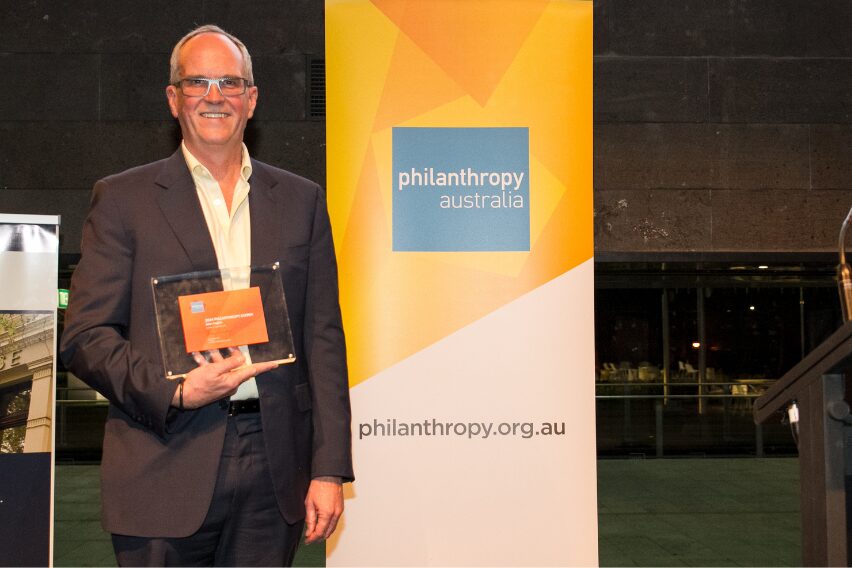
2014
The inaugural Philanthropy Leader Awards are held (later to become the Philanthropy Australia Awards) and Philanthropy Australia’s support for sector-led initiatives deepens. Allan English AM is awarded Philanthropy Leader (above). This year sees the start of the Australian Schools Plus Fund, the formation of Women & Change: Queensland Women’s Giving Circle and the hosting of the National Community Foundations Forum. Professional development series are offered for grantmakers and grantseekers.

2015
Sarah Davies AM (above) is appointed CEO. The inaugural Philanthropy Meets Parliament Summit is held at Parliament House in Canberra, attended by 200 delegates, to deepen the relationship with between government and philanthropy. After a hiatus our print journal Philanthropy is replaced the digital newsletter Philanthropy Weekly, providing news, grants, events, resources and job ads. It now reaches an audience of over 10,000.

2016
The Professional Advisor program and guides are launched to support new access points through wealth management. An initiative of the Prime Minister’s Community Business Partnership, the second Giving Australia research is undertaken with PA as a sector partner. PA also succeeds in stopping a government proposal that would have lowered the minimum distribution rate for ancillary funds and achieves improvements to the ancillary fund guidelines.

2017
Philanthropy Australia commences three strategic projects in partnership with our members: The People in Philanthropy storytelling series; Foundation Maps Australia; and the Economic Case for Philanthropy, as well as collaborates with Creative Partnerships Australia on Australia’s first-ever collective giving benchmarking research. A number of Philanthropy Australia members and sector leaders, such as Tom Snow and Anna Brown OAM, back the vote for Marriage Equality. They are pictured about at the 2017 YES Day celebrations after the vote was passed.
2018
The Better Giving Hub is launched, which is still Philanthropy Australia’s extensive online knowledge and resource portal exclusively for members. More than 740 delegates attend PA’s national conference themed Purpose: Is It Enough? PA hosts 80+ events and has 12 active peer networks.

2019
PA launches Foundation Maps Australia (above), a public data dashboard representing more than 13,000 grants contributing over $840m and launches the Online Advocacy Toolkit to support members to advance efforts in this space. A Private Giving Study Tour to Canada with 16 members supports international knowledge sharing and enhanced practice. The chapter network concept is piloted with the Australian International Development Network (AIDN), which goes to co-host impact tours abroad for funders with Insight Tours (a recent one is pictured above).
2020
To support members in response to the COVID-19 pandemic, Philanthropy Australia delivers Australian Philanthropy’s Response to the COVID-19 Crisis Pledge with 50 signatories; launches Policy Priorities for a Post COVID-19 Australia; hosts a series of Rapid Response and Back Better Together online peer network sessions; and creates a dedicated resource hub to support funders and not-for-profits.
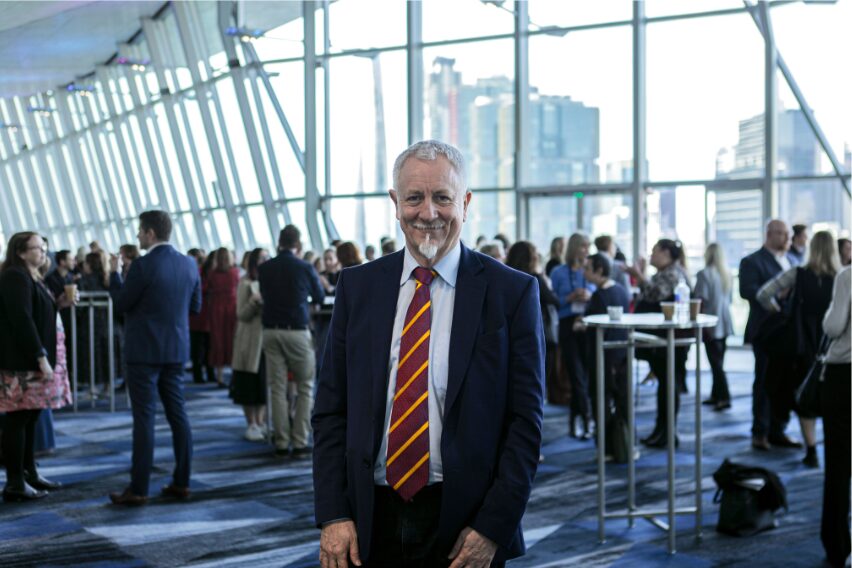
2021
Jack Heath AM (above) is appointed CEO. PA launches the Blueprint to Grow Structured Giving, outlining 10 proposed strategies to enhance the sector., which the Labor Government broadens to a pledge to double all giving by 2030. Philanthropy Australia successfully lobbies against proposed regulation that threatens charities’ free speech and for reform that enables 28 community foundations to receive a specific listing as Deductible Gift Recipients.

2022
Philanthropy Australia embarks on its Reconciliation Action Plan (RAP) and launches the Pay What It Takes report with colleagues at Social Ventures Australia and the Centre for Social Impact, which highlights the need to fund indirect costs. The Telescope survey is launched to identify key issues and trends in the sector to enhance our program delivery.
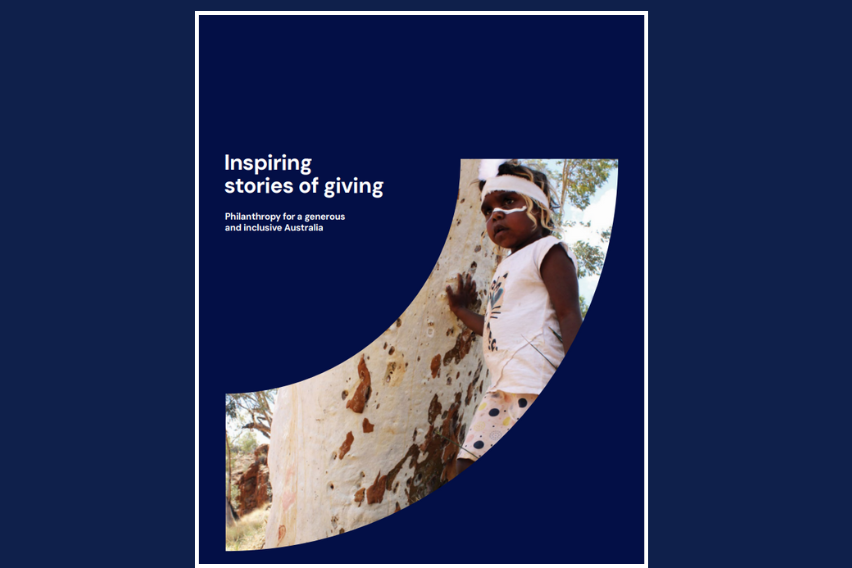
2023
Following member consultations, Philanthropy Australia makes submissions to the Government’s Productivity Commission Inquiry into Philanthropy and the Not-for-Profit Sector Blueprint. It also convenes philanthropic support for the Aboriginal and Torres Strait Islander Voice to Parliament Referendum and in sector development initiatives, hosts the Philanthropy Evaluation initiative and the Foundations Group for Impact Investing (FGII). In closing a busy year, the 400th edition of Philanthropy Weekly and Inspiring Stories of Giving Volume 1 are published (above). The Melbourne office moves to its current location at 90 Collins Street.
2024
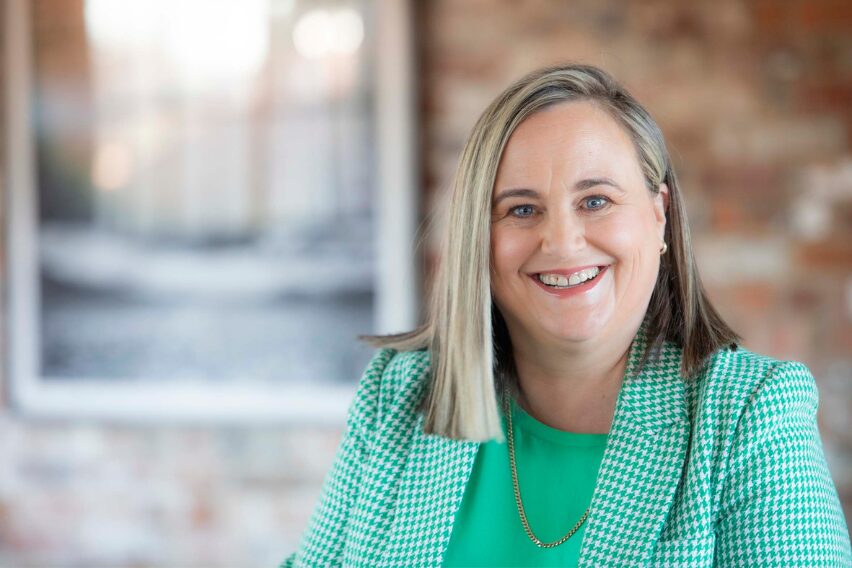
Maree Sidey (above) is appointed CEO. Membership hits 920 and the Philanthropy Australia Conference in Adelaide is a record-breaking sellout, attended by more than 1000 delegates. The final report of the Productivity Commission is tabled in parliament, announcing a number of reforms flowing from Philanthropy Australia’s advocacy. Inspiring Stories of Giving Vol 2 is published.
2025
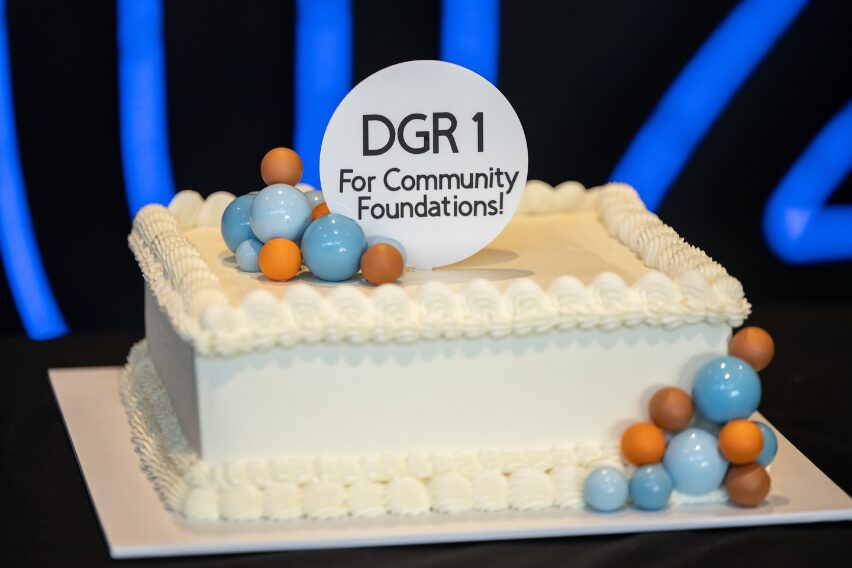
After 20 years of advocacy by Philanthropy Australia and others, game-changing Deductible Gift Recipient (DGR) reform bringing a ‘new era’ for community foundations is announced by the Government. PA’s bi-annual Canberra Summit evolves to the successful Philanthropy Leadership Summit, exploring the type of leaders needed to address the polycrisis and create a generous, just and sustainable future for all Australians.
2025
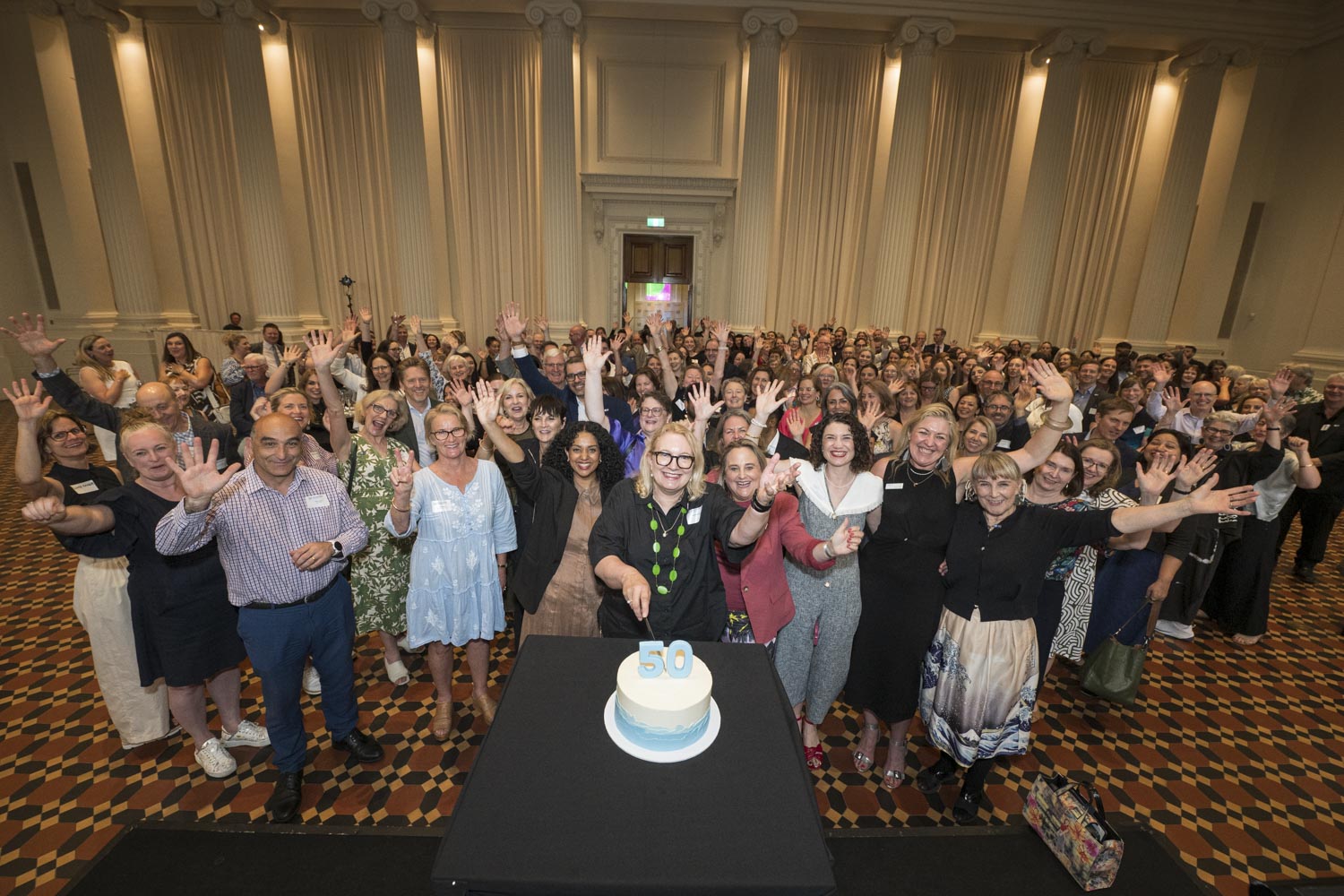
Philanthropy Australia closes off the year with a series of events to celebrate its 50th anniversary. Just over 830 guests joined us at stunning venues across the country to share stories and memories of five decades of giving, knowledge sharing and collective achievement. Pictured above are nearly 300 guests at the largest event in Melbourne’s Immigration Museum.