
Carol Schwartz: be outraged, be courageous and be entrepreneurial in how you can make a difference
 Stacey Knott, Senior Lead, Content & Media, Philanthropy Australia
 Sat, 17 Oct 2026
Estimated reading times: 2 minutes
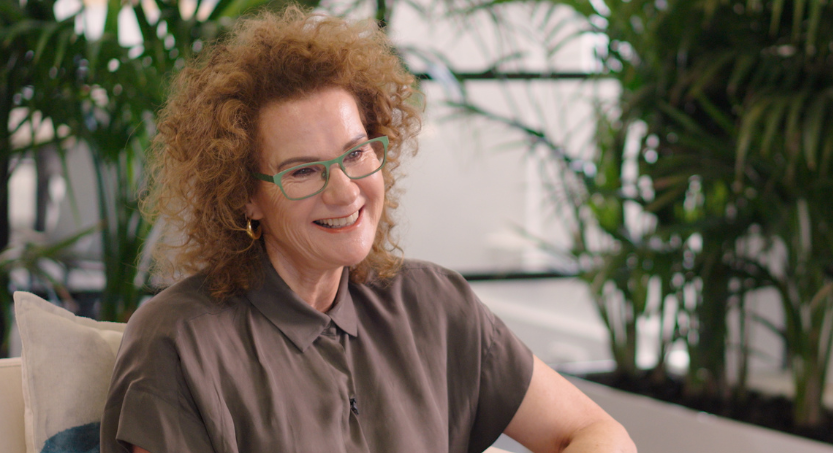
What does outrage have to do with philanthropy? For Carol Schwartz AO, it can be the spark for meaningful change.
The interview with Carol, a business leader, gender equality advocate and Chair of The Climate Council Chair, is the premier episode in The Rise of Holistic Philanthropy series from Philanthropy Australia and the Australian Environmental Grantmakers Network (AEGN). The series explores how funders are creating impact across interconnected issues, from climate and health to education, ageing and nature conservation, highlighting a growing recognition that many of society’s most pressing challenges are deeply connected and require holistic approaches to giving.
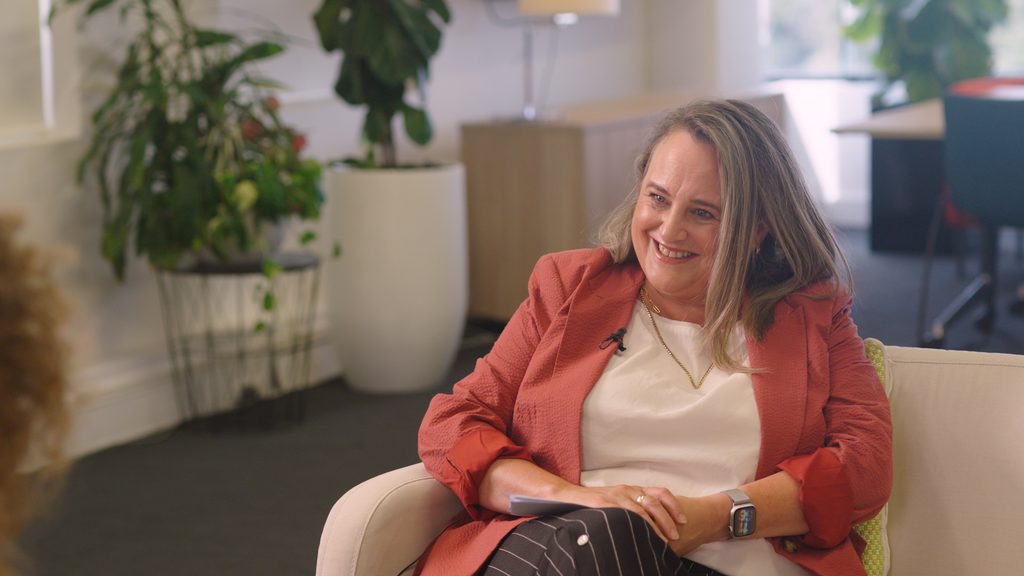
As one of Australia’s most respected business and community leaders, Carol has long championed women’s leadership. She was interviewed by Philanthropy CEO Maree Sidey on the links between women’s leadership and climate action, and why philanthropists should be willing to take bigger risks in pursuit of lasting impact.
A concerned citizen
While she now chairs the Climate Council, Carol says she did not come to the role as a climate expert. When first approached about the position, her instinct was to question whether she had the necessary expertise.
“When I was asked to become the Chair of the Climate Council, my immediate reaction was ‘I know nothing about climate. I’m just a concerned citizen’.”
Conversations with Climate Council CEO Amanda McKenzie and former Chair Sam Mostyn helped convince her that her expertise in business and gender equality, and her passion as an engaged citizen, were exactly what the role needed.
Through the work, Carol became increasingly aware of the strong links between climate outcomes and women’s leadership. Research shows women and children are disproportionately affected by climate change, while greater participation by women in leadership and decision-making can strengthen climate responses and bring a broader range of perspectives to complex challenges.
“That intersection between women and politics and climate is absolutely stark. And I can tell you that in almost every conversation that I have with women who are involved in philanthropy, climate is discussed – always.”
She says this reflects a growing understanding that climate, gender equality and social outcomes are interconnected, and that a holistic approach to giving can drive more meaningful and lasting progress.
Women’s leadership and climate outcomes
Carol’s commitment to increasing women’s representation in leadership predates her climate work. Reflecting on the co-creation of Pathways to Politics for Women by The Trawalla Foundation, the vehicle for the activities of Carol and Alan Schwartz, she recalls the frustration she felt at seeing just one woman represented around Australia’s federal Cabinet table in 2013.
“I had a sense of outrage every day that around our premier decision-making table, we had one woman.”
That frustration became a catalyst for action, leading to the establishment of a pilot program that has since grown into the national Pathways to Politics for Women initiative.
For Carol, the connection between women’s leadership and climate outcomes is not theoretical. More women in decision-making roles will help Australia respond more effectively to climate change, she advocates.
Drawing on decades of experience across business, philanthropy and community leadership, Carol also has a message for donors and funders. She believes philanthropy has an opportunity to take bigger risks and back ambitious solutions.
“Potentially what we don’t do enough is have a risk appetite that allows us to take bigger risks in the philanthropy that we do, in the giving that we do, in the focus that we have. So, I would suggest be outraged, be courageous and be entrepreneurial.”
This article is part of The Rise of Holistic Philanthropy, a video series exploring how funders are creating impact across interconnected issues. Watch the full series to hear from philanthropic leaders and discover practical examples of strategic, holistic giving in action.
Strategic priority
Amplify, Convene, Influence


 News
