
How a gender lens can identify inequities that might otherwise go unnoticed
 By Catherine Noble, Programs and Impact Lead, Australians Investing in Women
 Thu, 29 Oct 2026
Estimated reading times: 2 minutes
Belonging and participation were recurring themes at Philanthropy Australia Conference 2026, prompting thoughtful discussion about philanthropy’s role in strengthening social cohesion. For funders, this includes understanding what enables social, economic and civic participation, and why some people face greater barriers than others.
Applying a gender lens to giving brings attention to how gender shapes people’s experiences of an issue, their access to support, and the outcomes they achieve. It helps funders recognise needs and barriers that might otherwise be overlooked.
Australians Investing in Women (AIIW) works alongside funders to explore these questions. Understanding how gender shapes people’s experiences can inform and deepen the impact of giving across a broad range of priorities, including health, housing, education, climate and environment, and community development.
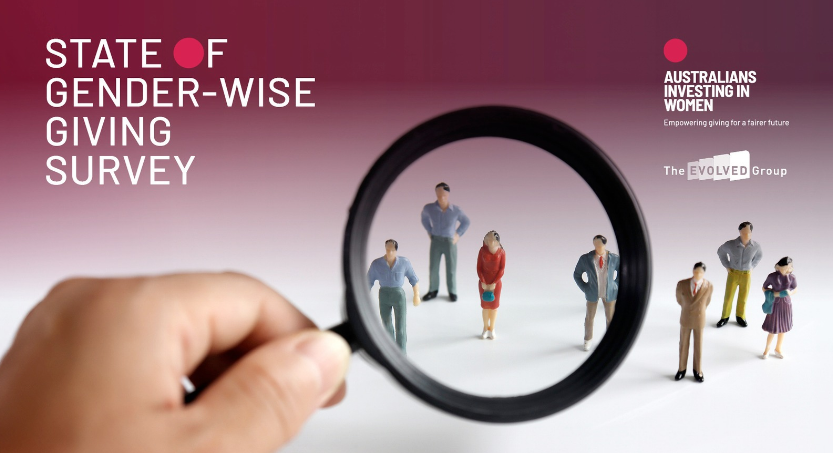
Each year at AIIW, we run a State of Gender-wise Giving Survey to build a picture of gender and philanthropic giving in Australia. In the 2025 Survey, 63 per cent of participating funders reported engaging women and girls with lived experience in programs, while 56 per cent reported measuring gender impacts. These findings invite further learning about how people’s experiences inform funded work, and how funders assess the difference it makes. The 2026 survey is now open, asking how the philanthropic sector can strengthen the impact of its giving and how considering gender can help.
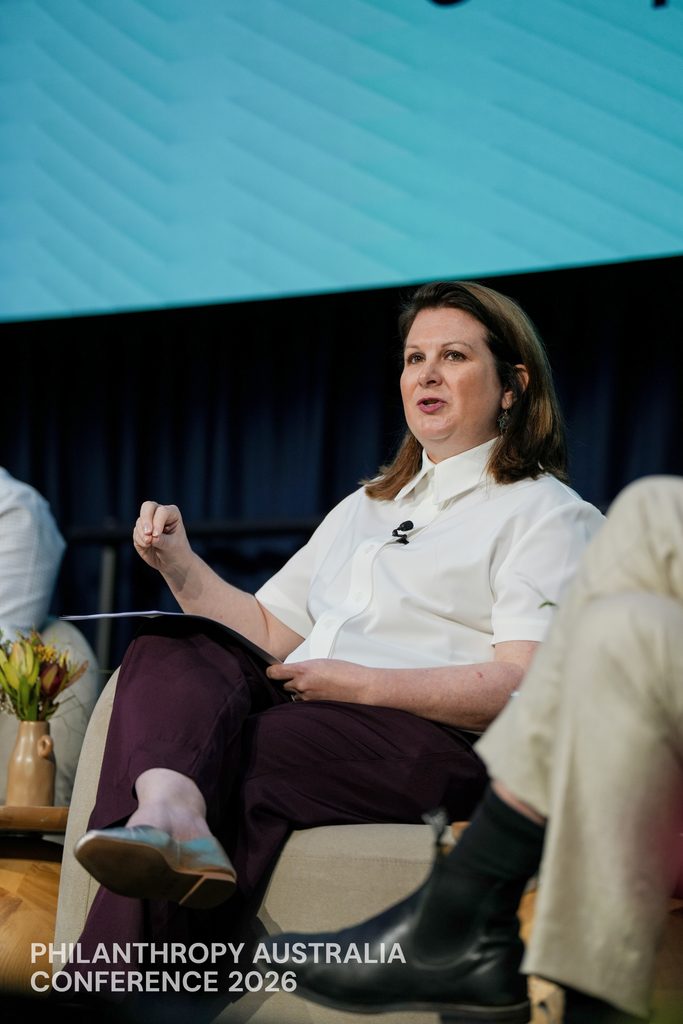
Understanding how gender shapes people’s experiences can also help identify inequities that might otherwise go unnoticed. Discussions at the PA Conference on Artificial Intelligence offered one example. Trawalla Foundation CEO Sarah Buckley highlighted women’s underrepresentation across the AI ecosystem, raising questions about who is shaping technologies that will increasingly influence our lives. The Inclusive AI Pledge and Prompt, developed by Champions of Change Coalition and Women’s Leadership Institute Australia, offer practical guidance for bringing gender equality and inclusion into everyday AI use. For philanthropy considering its role in this changing landscape, this is one way to put a gender lens into practice.
Housing offers another example. AIIW and Per Capita’s Closing the Gender Gap in Housing roadmap examines how earnings, caring responsibilities, retirement savings and gender-based violence shape women’s housing insecurity, with women accounting for 59 per cent of people accessing Specialist Homelessness Services. Drawing on research and consultation with more than 100 stakeholders, the roadmap recommends better gender data, greater involvement of people with lived experience and gender-responsive housing design and delivery. Housing security helps people maintain relationships and participate in their communities. Considering gender helps funders understand the different circumstances that can put that security out of reach.
Within philanthropy, a recent Alliance reader questionnaire on three decades of gender funding offered a mixed picture. Most respondents believed funding for gender equality had increased, and more than four in five saw improvements in philanthropic leadership diversity. However written responses questioned whether greater representation had brought greater influence over decisions. Respondents also reported limited progress towards flexible, long-term, and participatory funding.
As my AIIW colleague Ashley Fairfield recently explored, learning about funding practice includes examining how decisions are made, whose experiences inform them and who benefits. A stronger evidence base, reflecting the range of Australian funders, can help identify where practice could improve and what support would be useful. For AIIW, this learning is part of working towards a gender lens becoming standard practice across philanthropic giving. Understanding and responding to gendered differences can help philanthropy strengthen social cohesion and pursue more equitable and effective outcomes across the many causes it supports.
AIIW’s 2026 State of Gender-wise Giving Survey is now open and welcomes completion by Australian philanthropic and corporate funders. The survey closes on 16 November 2026.

Catherine Noble is the Programs and Impact Lead at Australians Investing in Women.
Strategic priority
Amplify, Convene, Inspire
Subject
Gender, Women and girls, Women's giving


 News
