
Voices of Impact: Desmond Campbell on Conference 2026
 Fri, 2 Oct 2026
Estimated reading times: 2 minutes
Fri, 2 Oct 2026
Estimated reading times: 2 minutes

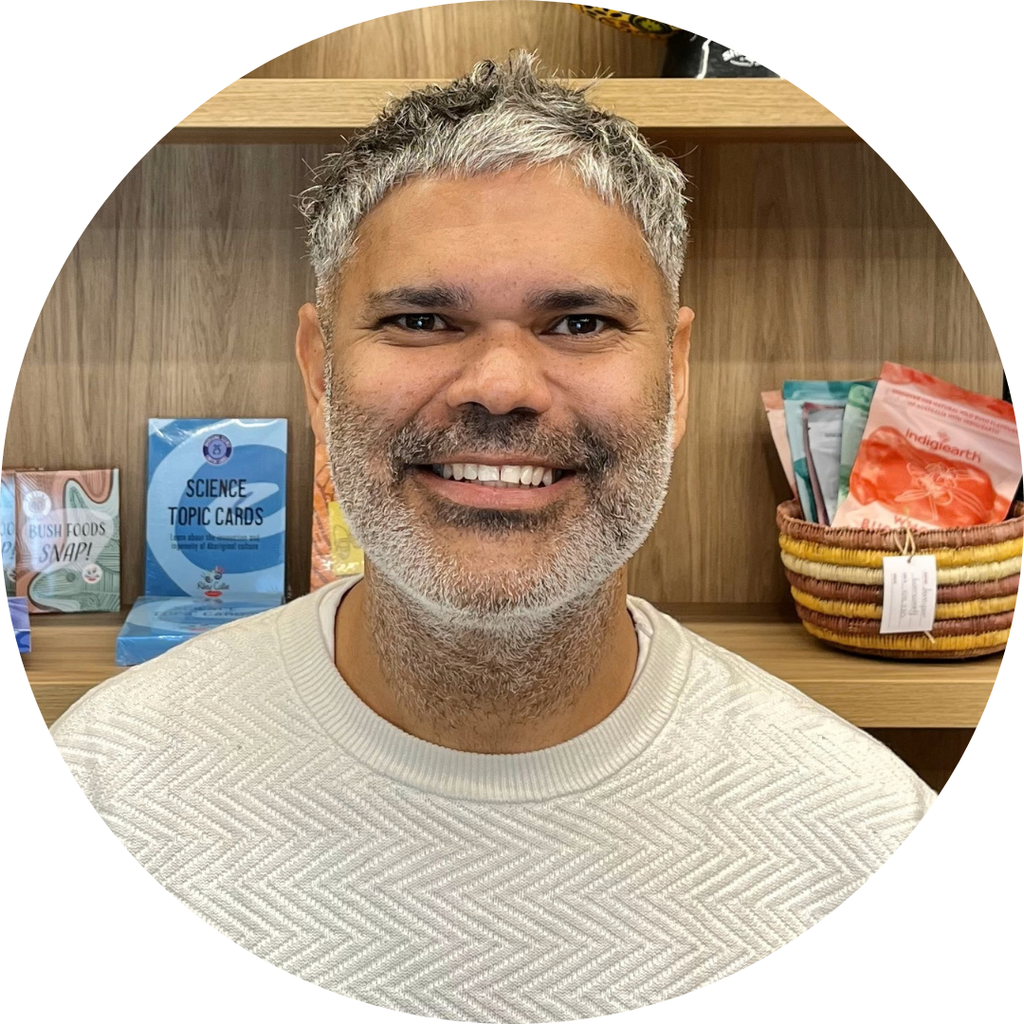
Desmond Campbell is a Gurindji and Alawa man from the Northern Territory and CEO of Welcome to Country – a First Nations-led social enterprise focused on creating economic opportunities for Aboriginal and Torres Strait Islander people. It connects consumers, corporates and partners with authentic First Nations products, businesses and cultural experiences. We speak to Desmond as part of Voices of Impact – a new profile series exploring the ideas, experiences and leadership shaping the future of giving in Australia.
A key part of Desmond’s role is looking at how the organisation can build sustainable economic models that enable First Nations businesses and entrepreneurs to grow while ensuring culture, community and self-determination remain at the centre.
Desmond was one of 90 scholars invited to the Conference through Philanthropy Australia’s scholarship program which aimed to deepen equitable access, increasing the diversity of voices represented and ensure the Conference reflects the richness of our sector. Scholarships were made possible through the support of our Conference partners and community.
What motivated you to apply for the scholarship, and what were you hoping to gain from attending the conference?
I wanted to better understand the philanthropic sector and, importantly, how First Nations organisations can build more meaningful and equitable relationships with philanthropy. Too often, First Nations organisations are positioned simply as recipients of funding rather than partners who bring knowledge, capability and solutions to the table. I was interested in understanding how philanthropy is changing, meeting people across the sector and exploring how organisations like Welcome to Country can work with funders beyond traditional grant-making. I also wanted to bring a First Nations economic empowerment perspective into those conversations.
What was the most impactful session, speaker or conversation you experienced, and why did it stand out to you?
Some of the most impactful moments for me actually happened outside the formal sessions. The conversations with people across philanthropy about First Nations economic self-determination, trust and what genuine partnership looks like were particularly valuable. I was struck by the willingness of people to question traditional funding relationships and consider how philanthropy can move beyond simply funding programs towards backing First Nations leadership, capability and long-term sustainability. Those conversations reinforced for me that some of the biggest shifts happen when we create space for honest dialogue and genuinely listen to one another.
Were there any themes, ideas or trends discussed at the conference that challenged or influenced your thinking about philanthropy?
One idea that strongly resonated was moving from transactional philanthropy towards relationships built on trust, shared purpose and longer-term partnership. It reinforced my view that philanthropy can play a much bigger role in supporting First Nations economic self-determination. That means being prepared to fund capability, innovation and organisational sustainability, not just individual programs or outputs. It also means recognising the knowledge and value First Nations organisations bring to the partnership. The opportunity is to shift the relationship from “what can we fund for you?” towards “what can we build together?”
The theme was Mobilising Generosity. Shaping the Future. What does this mean to you, and how was it reflected in your conference experience?
For me, mobilising generosity is about turning goodwill into meaningful, sustained action. Generosity is incredibly powerful, but its greatest impact comes when it builds capability and creates opportunities that continue beyond the initial investment. For First Nations communities, shaping the future means supporting self-determination and ensuring First Nations people have the resources, relationships and decision-making power to design and lead our own futures. Throughout the conference, I saw a genuine appetite to think differently about philanthropy and how capital, networks, influence and knowledge can be mobilised together to create lasting change.
How do you expect the insights or connections gained at the conference to influence your work, organisation or community moving forward?
The conference strengthened my determination to build deeper relationships between Welcome to Country, First Nations businesses and the philanthropic sector. I see an opportunity for philanthropy to support economic empowerment in ways that create a multiplier effect: investing in First Nations-led organisations like ours enables us, in turn, to create opportunities for many more First Nations businesses, entrepreneurs and communities. I also want to continue the conversations started at the conference and explore models where philanthropy brings not only funding, but networks, expertise and influence, while First Nations organisations bring cultural knowledge, community relationships and solutions.
Conference 2026 scholarships were made possible through the support of our Diversity and Inclusion Partner, Equity Trustees’ Equity and Empowerment Program, together with Minderoo Foundation, our Youth Partners, Hand Heart Pocket and the Vincent Fairfax Family Foundation, and the Philanthropy Australia Board and staff.
Strategic priority
Convene


 News
News
